


SSI SCHÄFER Builds the AI Foundation for the Future of Sustainability Management
From distributed operational data to a consistent foundation for ESG and CO₂ data management.

About
SSI SCHÄFER
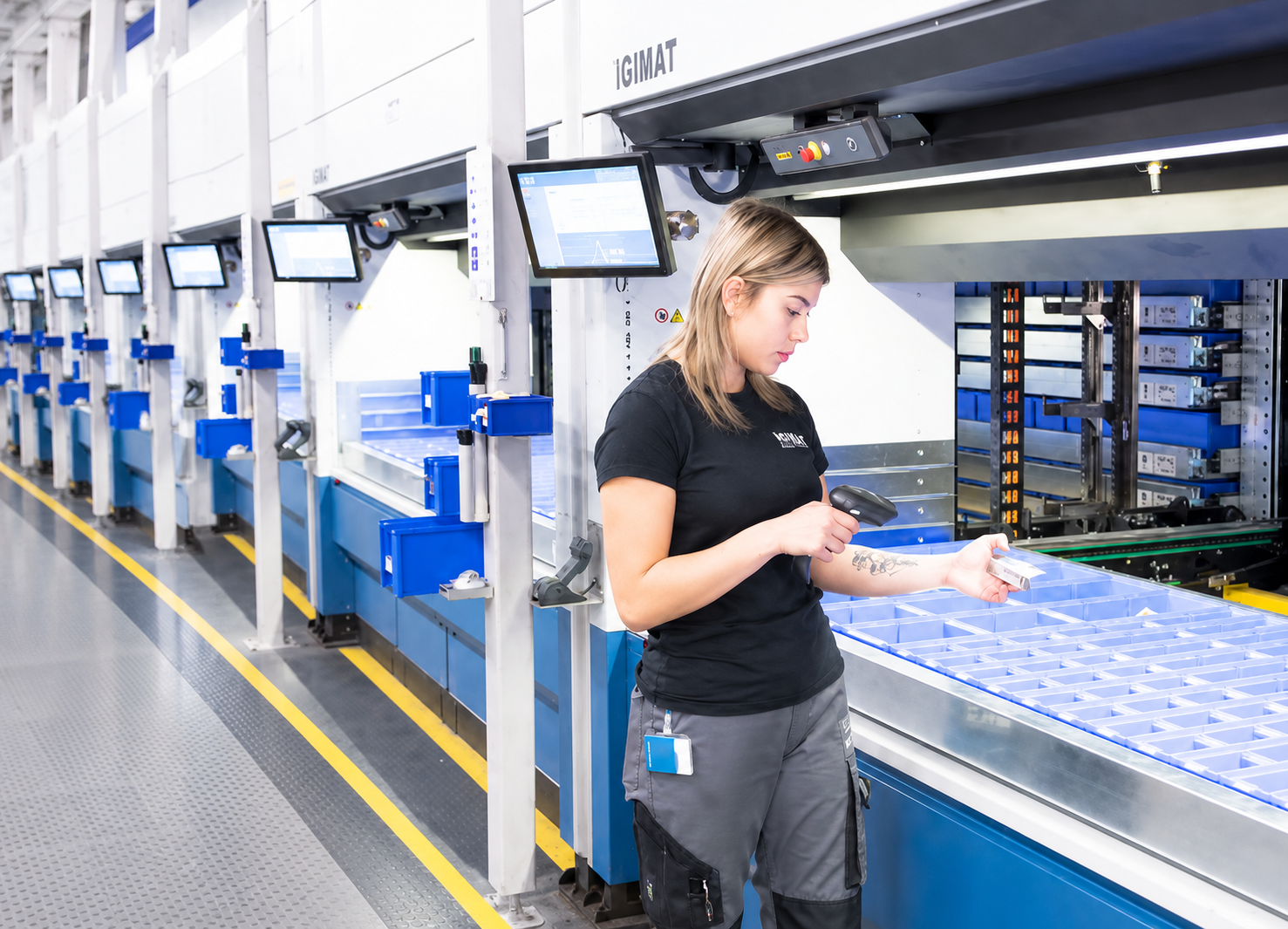
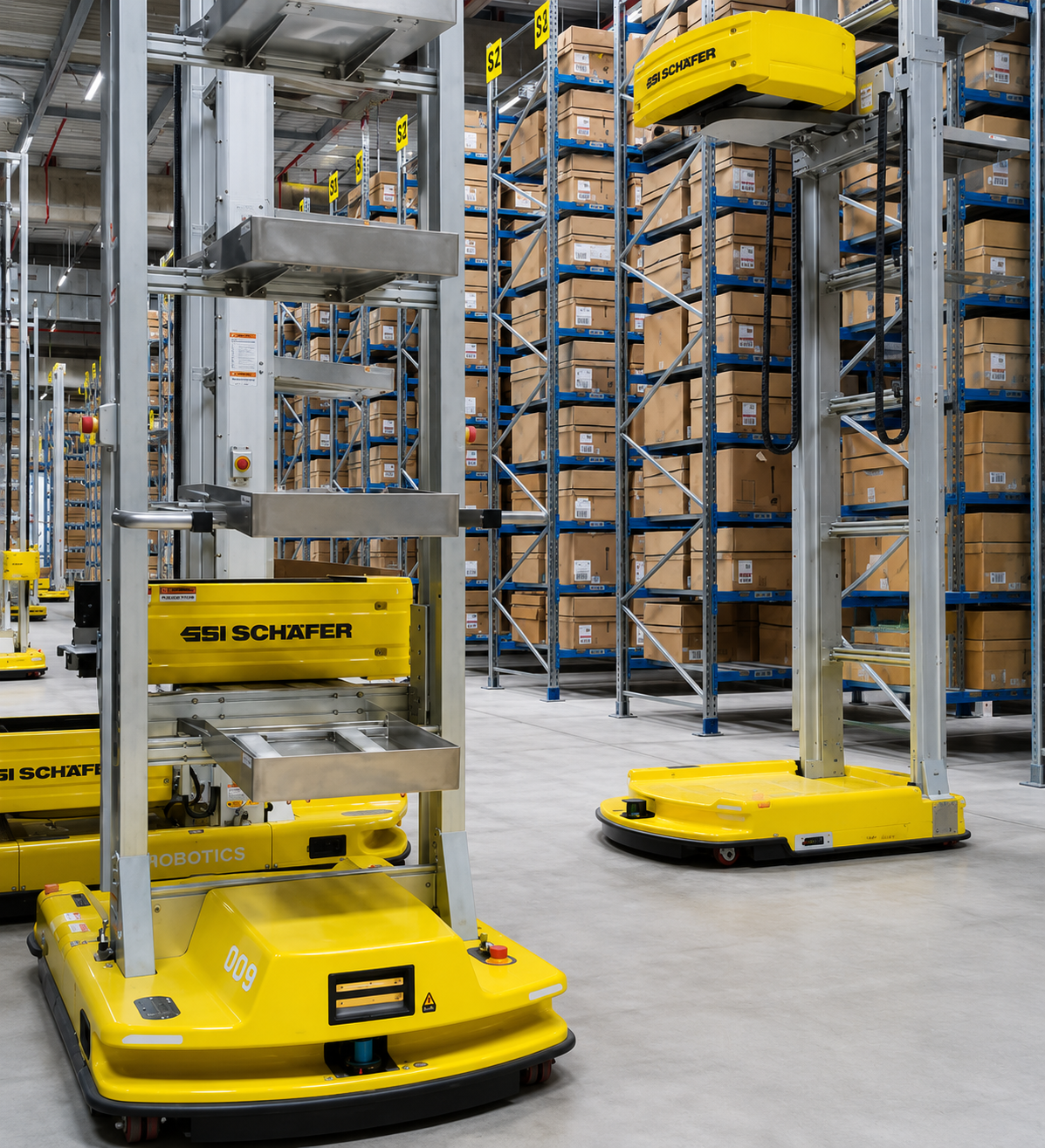
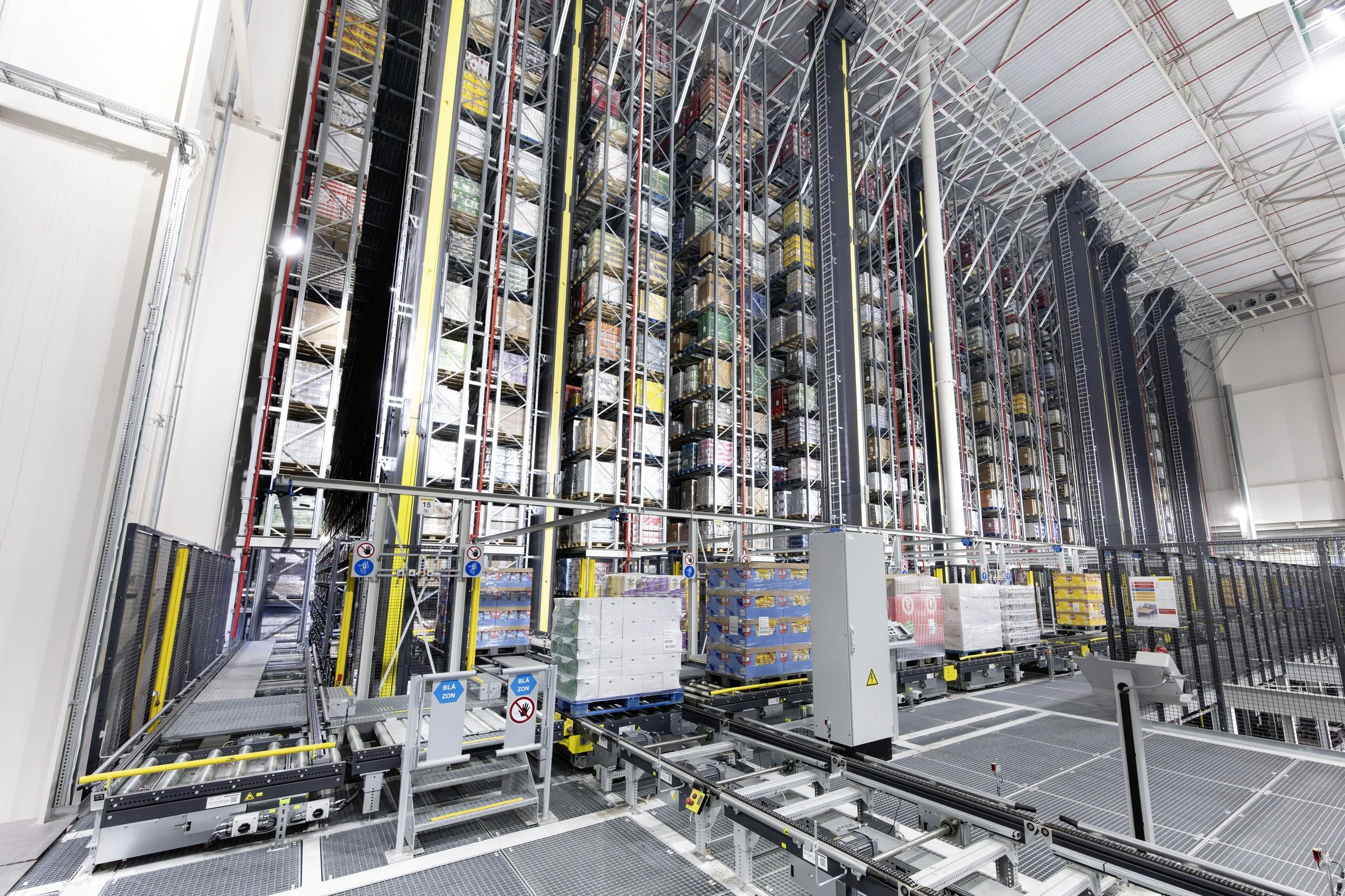
Since 1937, SSI SCHÄFER has been developing solutions that make intralogistics worldwide more efficient, safer, and more sustainable. Today, the Group operates globally through more than 90 companies and delivers integrated logistics systems across its three business areas - Logistics Solutions, Products & Equipment, and Customer Services - ranging from manual shelving systems to highly automated, software-controlled facilities.
In this environment, building a consistent sustainability data foundation is essential for creating transparency, supporting carbon accounting, and enabling scalable reporting processes.
Together with Footprint Intelligence, SSI Schäfer is shaping a more structured approach to sustainability data management — one that brings fragmented operational information into a centralized environment and creates the basis for more intelligent, future-ready workflows.

8,800+ Employees
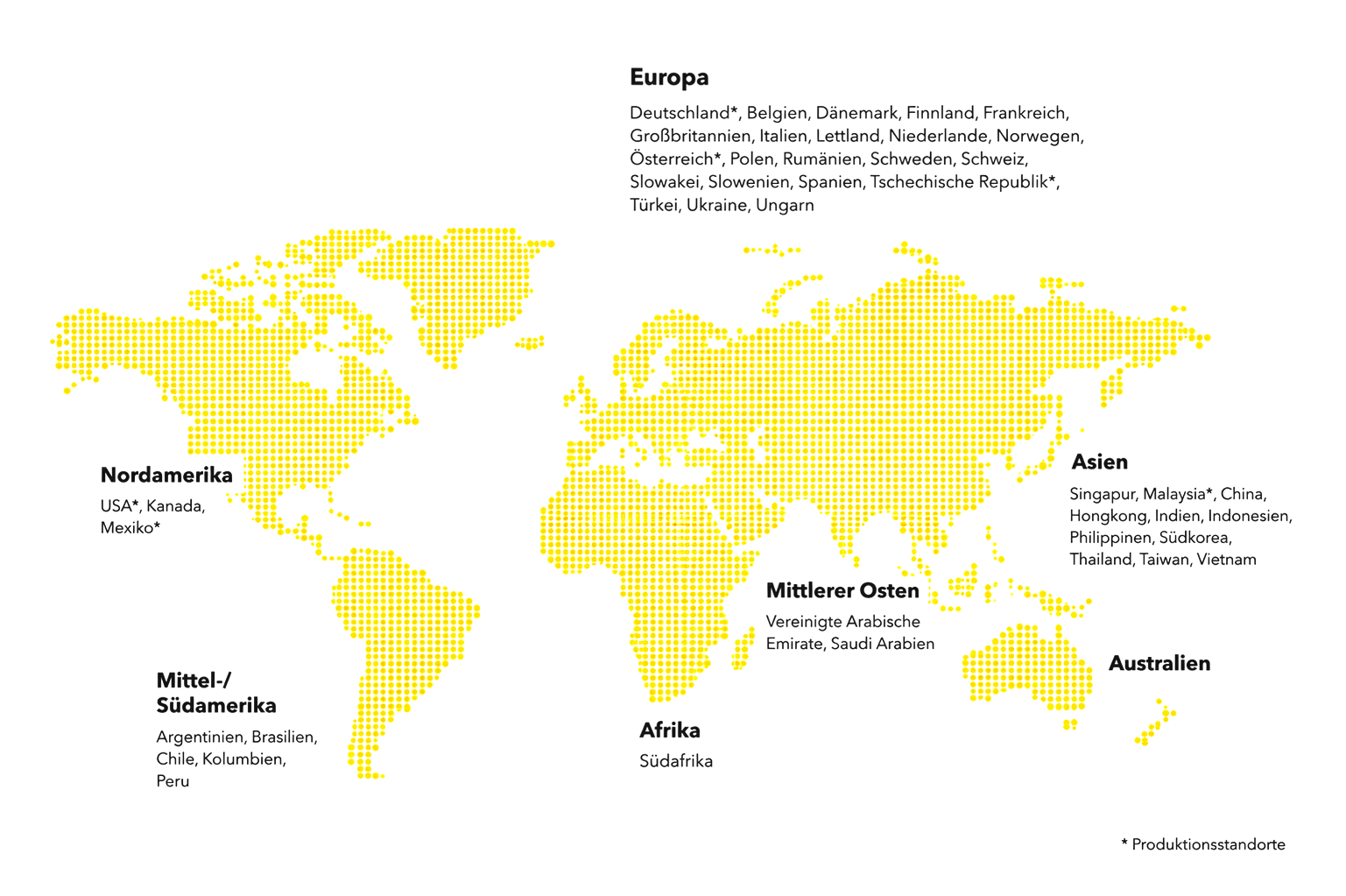
~80 Subsidiaries Worldwide
7 Production Sites
6 Global Regions
Overview
Sustainability
Management at SSI SCHÄFER
SSI SCHÄFER’s sustainability approach is built on two core principles: acting responsibly across its own operations and supply chain, and driving forward-looking solutions. In this context, sustainability management is not treated as a standalone initiative, but as part of how the company builds value, makes decisions, and collaborates across its ecosystem.
The shared data platform supports SSI SCHÄFER in consolidating ESG- and CO₂-relevant information centrally, increasing transparency, and establishing consistent processes across the group.

Building the data foundation for sustainability
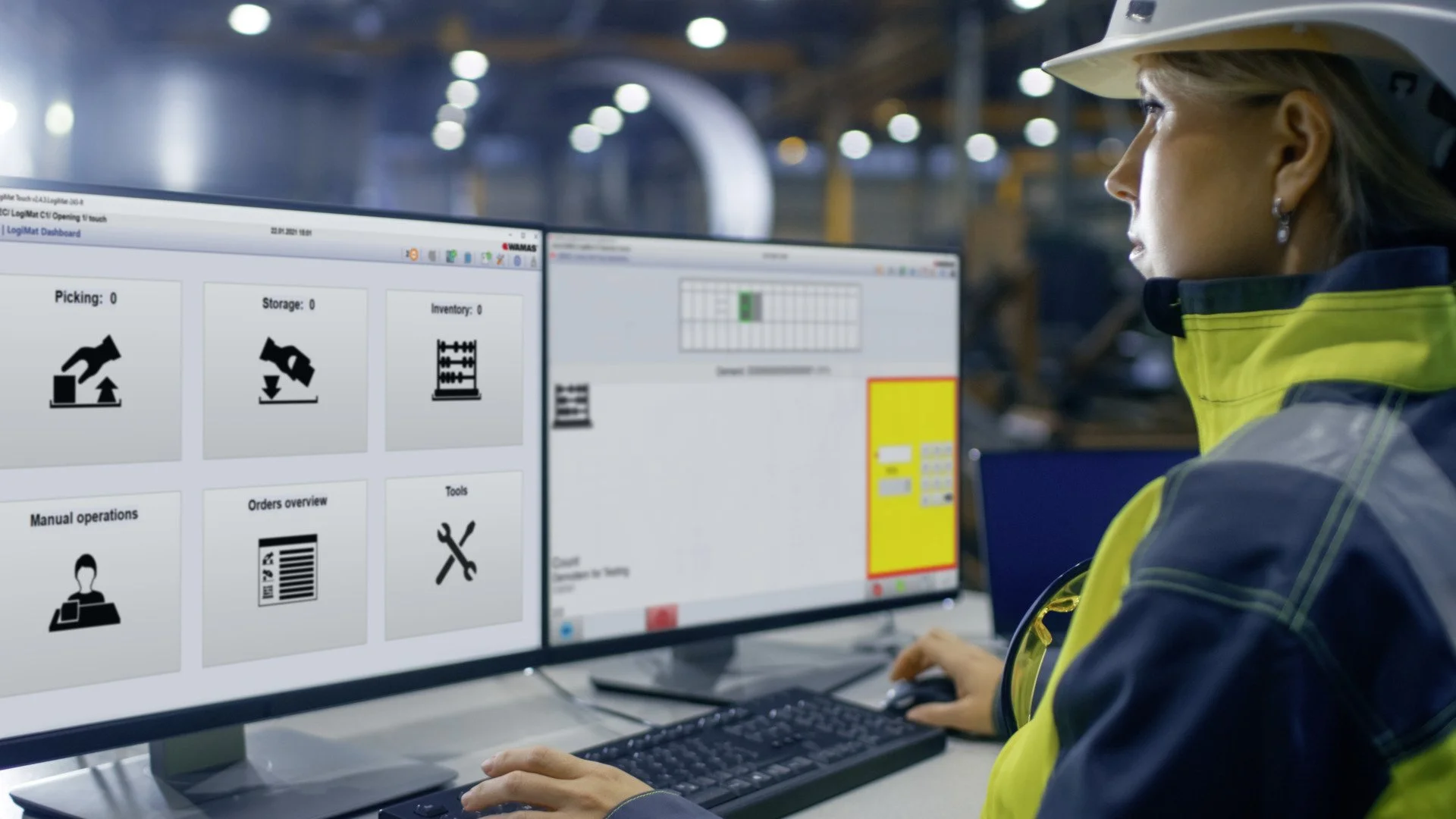
Managing sustainability data in a globally operating company means more than collecting information. It requires a system that brings together operational data spread across locations, makes it uniformly analyzable, and can be deployed across business units and sites.
The key challenges:
Development of practical and efficient CO₂ reduction measures tailored to each individual site
Distributed sustainability and operational data from different entities
Different formats, systems, units, and data qualities
Building a consistent basis for CO₂ modeling and reporting
Growing need for clearly defined, efficient, and scalable processes

X
From scattered operational data to a reliable carbon baseline
The central challenge lies in making distributed data from different entities comparable and analyzable. Information from around 80 subsidiaries is brought together across different formats, units, and languages. AI-supported processes assist the standardization and harmonization of input data, the matching of appropriate emission factors, and the identification of potential data gaps - an essential prerequisite for subsequently defining specific, site-based CO₂ reduction measures.
The Approach
Building the Data Backbone for Intelligent Operations
SSI SCHÄFER already held historical CO₂ data from previous years. This data was transferred into the new data environment, validated, and structurally harmonized. Where technically appropriate, it was additionally expanded. In the course of the migration, existing values could be reviewed and consistently prepared. As a result, historical data and future reports rest on a consistent, traceable basis.




Impact
AI-Powered Data Standardization & Emissions Modeling
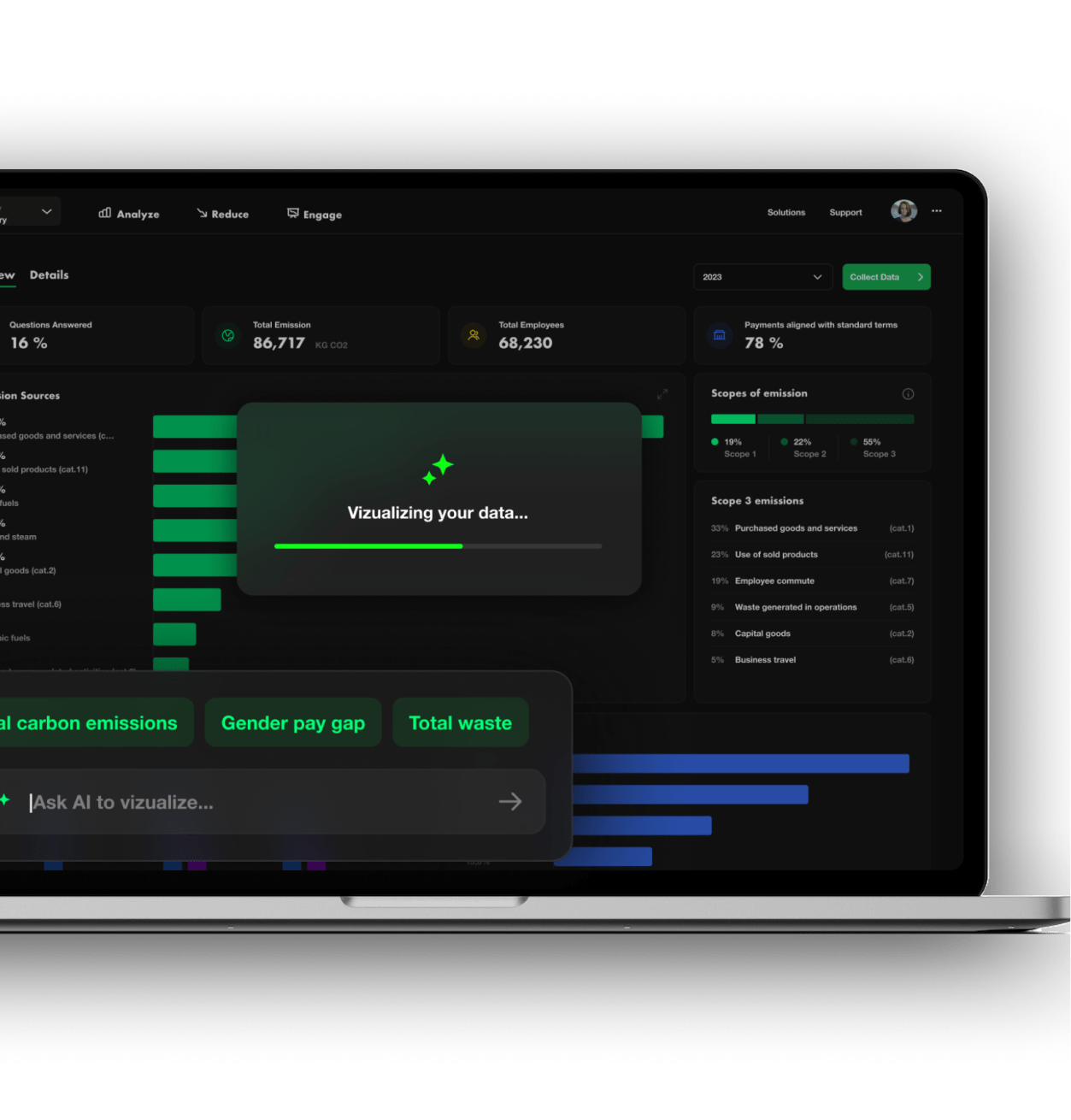
Through the new data platform, SSI SCHÄFER has a consistent basis for managing operational sustainability data and supporting CO₂ accounting.
Key results:
Automated harmonization of distributed sustainability and operational data
Support for CO₂ modeling based on standardized input data
Traceable modeling logic across different locations and business units
Consistent basis for reporting and regulatory requirements