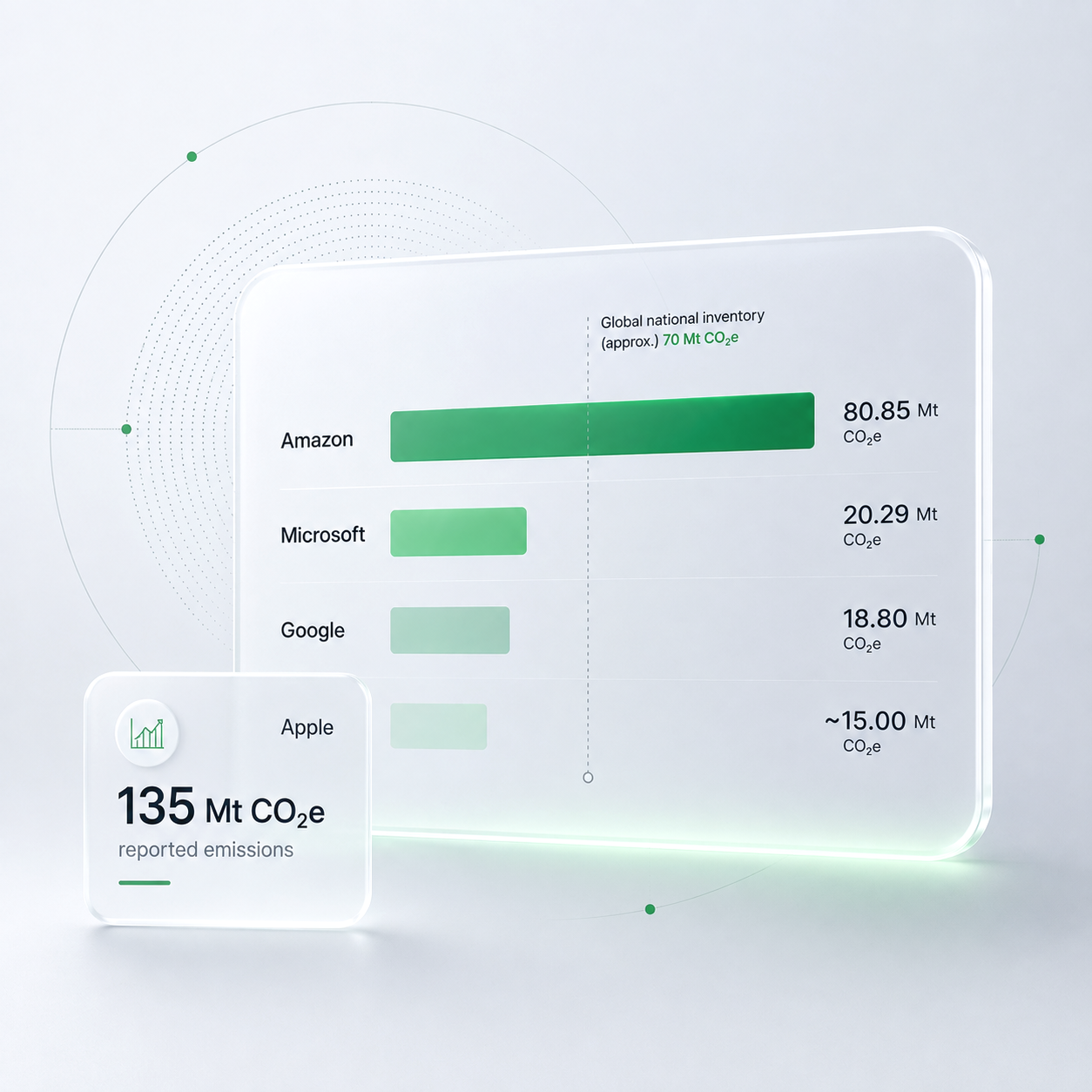
Supply Chain Decarbonization: Turning Strategy Into Action
Tackling Scope 3 emissions can be a challenge. It can be difficult to integrate suppliers into centralized reporting systems and attempts to integrate often involve intensive communication and dealing with gaps in data.
But if your company wants to significantly reduce emissions, the supply chain must be part of the solution.
For many organizations, the majority of emissions sit outside their direct operations. This is why frameworks such as the GHG Protocol Corporate Value Chain (Scope 3) Standard focus heavily on value chain emissions. It is important to report these emissions accurately not only for the sake of accountability and transparency, but also to reveal opportunities to improve sustainability within a supply chain.
For example, contact with raw materials such as CRMs usually takes place within this section of operations, which means emissions will likely be high as these materials usually need to be exploited to be used. Through reporting this information, the company can better evaluate whether they need to reevaluate their consumption of materials or begin sourcing from a different supplier to reduce overall emissions.
But understanding the problem and implementing supply chain decarbonization are two very different things.
Many sustainability teams reach the same point:
They have targets.
They know Scope 3 matters.
Leadership expects progress.
Yet once implementation begins, the work quickly turns into something else entirely:
Chasing supplier spreadsheets
Converting inconsistent data formats
Reconciling numbers before reporting deadlines
Instead of reducing emissions, sustainability teams spend most of their time collecting and cleaning data. This is often a menial task, and eats into valuable company time that could be spent making impactful emission reduction decisions.
Why Supply Chain Decarbonization Often Stalls
In most organizations, the challenge isn’t the strategy. Theoretically, retrieving and reporting data isn’t a taxing task and should be able to run smoothly as long as the data is easily accessible. Unfortunately, it’s the operational reality covering issues like accessibility which slows this task down significantly.
There are three issues that appear frequently:
Supplier data is inconsistent.
Some suppliers can provide detailed emissions data, but others cannot. Many are still early in their own sustainability journey, and reporting formats vary widely. A lot of the time even when suppliers do have their emissions data, it is spread across different reporting systems and spreadsheets which makes it difficult to retrieve.
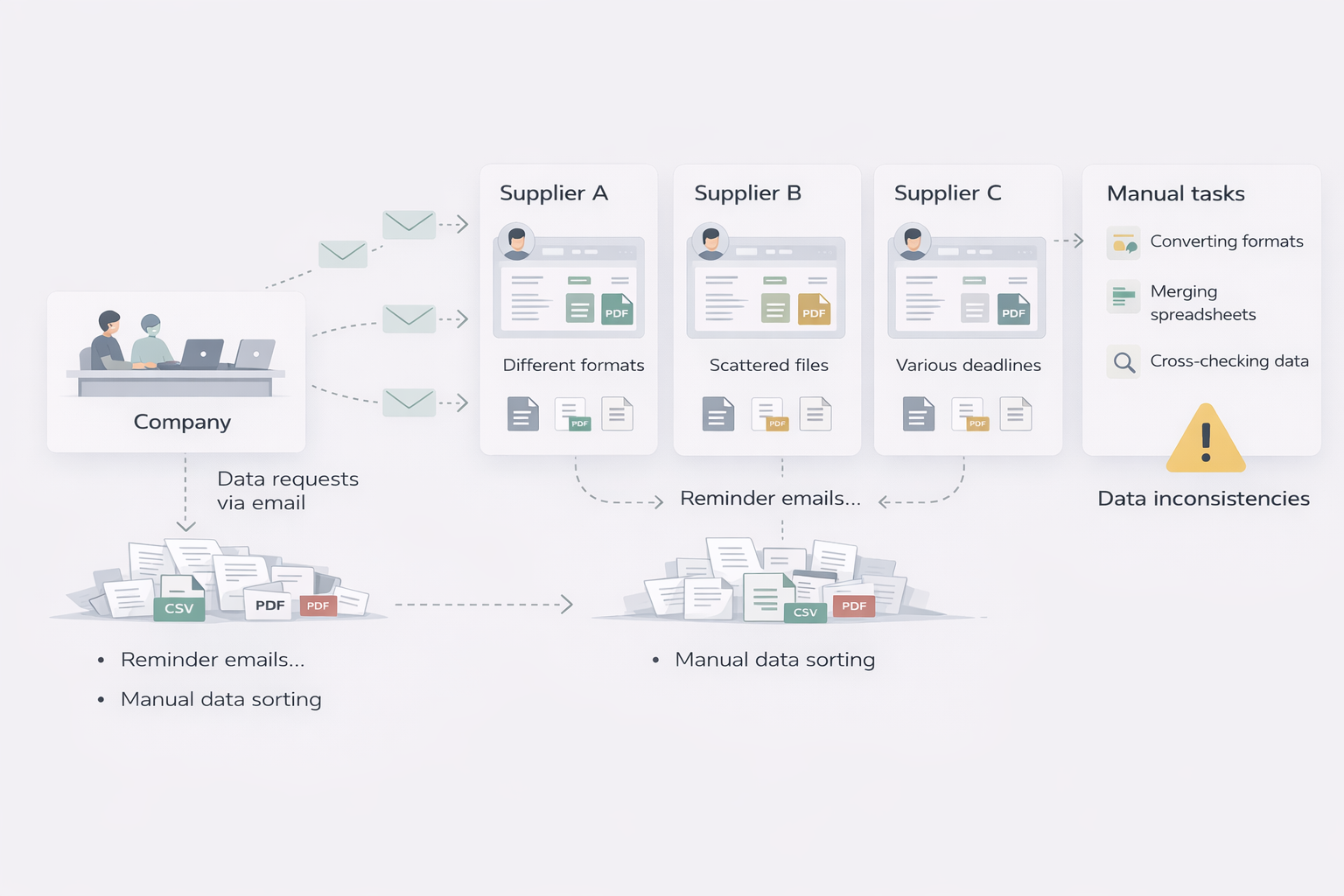
Responsibility is fragmented.
Just like the issue with systems of reporting, responsibility is rarely centralized within supply chains. The typical set up is that procurement owns supplier relationships, operations manage materials and logistics, and finance holds purchasing data. This means that the sustainability team has to work across these different industries to find the data they need, which lengthens the process of retrieval and reporting.
The process is manual.
Due to the scattered data and lack of centralized reporting systems, the collection process has to be done manually. A typical scenario of this manual retrieval process might be data requests being sent by email, and suppliers responding with spreadsheets or PDFs. It is then the company’s responsibility to go through and convert and check all of the units and formats before being able to formally record it within their own system.
Over time, more time is spent collecting supplier data than working on emission reductions.
What Companies That Make Progress Do Differently

Organizations that successfully move forward with supply chain decarbonization usually don’t start with complex reduction programs. Instead, they start by structuring the data process.
In practice, the implementation tends to follow a simple progression.
First, companies establish a baseline using existing procurement and operational data. The goal is not perfect precision but identifying the largest emission hotspots across suppliers, materials, or product categories.
Next, they prioritize suppliers that matter most. In most supply chains, a relatively small number of suppliers account for a large share of emissions. Focusing engagement on this group makes the process manageable. The energy sector tends to produce the highest amount of emissions, so tracking where the company sources their energy from and contacting those suppliers first is usually a good starting point.
Then comes the step that often determines success: structured supplier engagement.
Instead of sending informal data requests through email correspondences and spreadsheets, companies introduce a consistent system for collecting supplier data. This typically includes standardized requests, defined deadlines, and a centralized way to submit and track information.
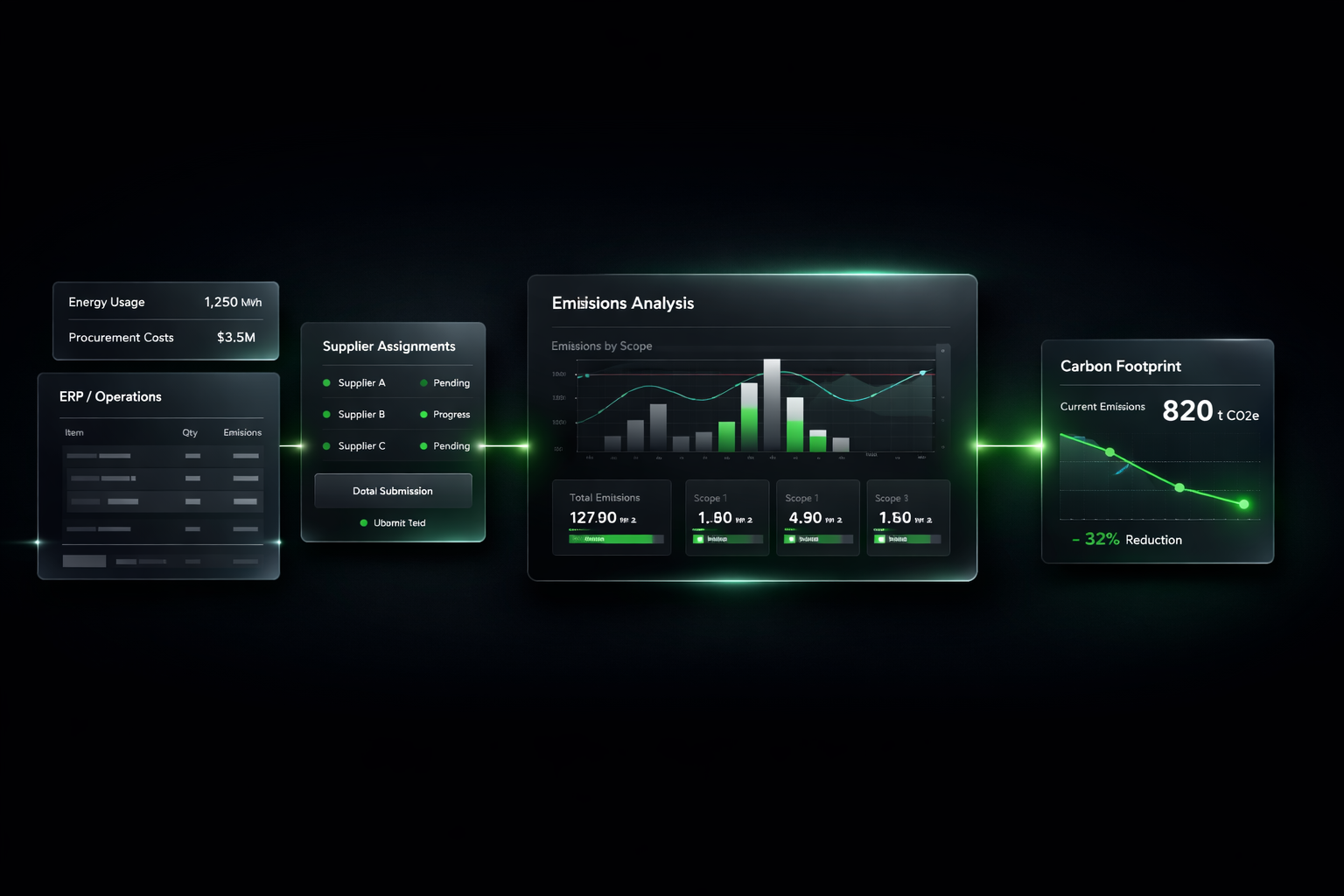
Platforms such as Footprint Intelligence support this process by enabling companies to request supplier data, track responses, and normalize different formats within a single system. The suppliers can input their emissions data directly into the platform for the company to evaluate which helps to maintain a centralized and efficient reporting system.
The objective when it comes to effectively processing Scope 3 emissions is not just to gather information for reporting. It is to build a reliable dataset that improves each reporting cycle.
How Data Quality Improves Over Time
Supply chain decarbonization rarely begins with perfect data, but this data can improve as efficient processes are implemented.
Most companies move through several stages as their process matures. Here is an example of what that may look like:
Initially, they rely on spend-based estimates derived from procurement data.
As supplier engagement improves, these estimates are replaced by industry averages and supplier-specific information.
Eventually, companies begin collecting detailed emissions or product lifecycle data directly from suppliers.
Each step increases accuracy. More importantly, it enables sustainability teams to move beyond reporting and start identifying real decarbonization opportunities.
These might include:
switching to lower-carbon materials
improving manufacturing efficiency
optimizing logistics and transport
supporting suppliers in adopting renewable energy
Without reliable data, these conversations are difficult to start. With it, they become actionable.
What Implementation Looks Like in Practice
For many sustainability managers, supply chain decarbonization becomes manageable once the process is structured.
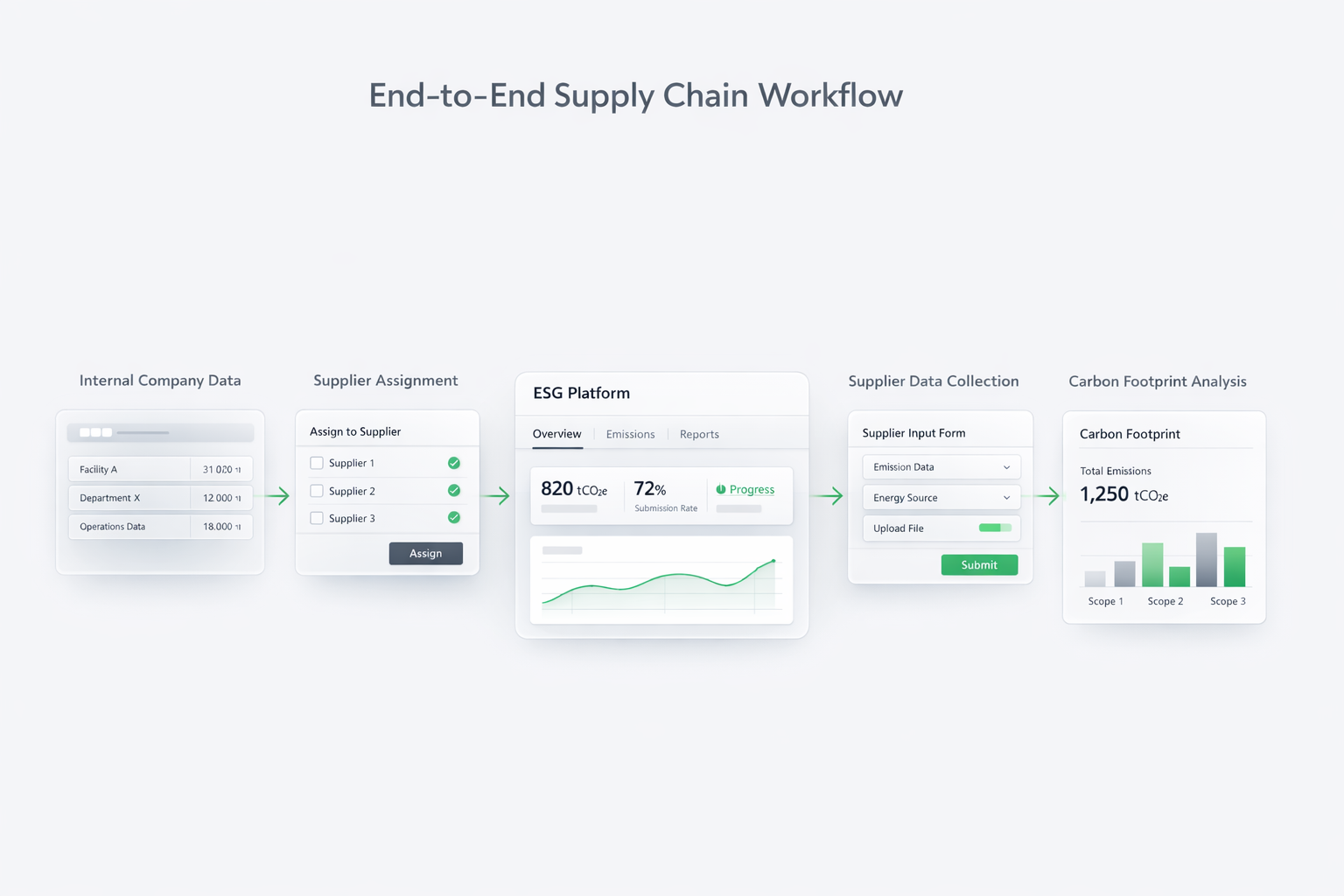
A typical workflow might look like this:
The company begins by collecting sustainability data across its internal operations — facilities, departments, and activities — within a centralized platform.
As the data structure develops, some inputs are identified as belonging to external partners or suppliers rather than internal teams. These data points can then be assigned directly to the relevant suppliers.
Instead of requesting large datasets, companies can assign specific data requests to each supplier. Suppliers receive an email invitation with access only to the data fields relevant to them, allowing them to contribute information directly within the reporting framework.
As suppliers provide data, sustainability managers can monitor progress in real time, track which requests have been completed, and identify where follow-ups may be needed. Deadlines, reminders, and notifications help keep the process moving without constant manual coordination.
As responses come in, the data is normalized and integrated into the company’s carbon footprint.
Solutions like Footprint Intelligence are designed to support this structured workflow — enabling companies to assign specific data inputs to suppliers, track progress across contributors, and maintain traceable records for sustainability reporting.
Over time, the company develops a structured supply chain emissions dataset, rather than rebuilding the dataset from scratch each reporting cycle.
The Shift That Needs To Be Made
Supply chain decarbonization is often treated as a reporting challenge, when in reality, it is a data and workflow challenge. Rather than beginning with complex reduction projects, it realistically begins with building a reliable process for collecting and managing supplier emissions data. With this process in place, identifying and implementing emission reductions becomes far more achievable.
Once companies establish a structured system for supplier engagement, data collection, and emissions tracking, sustainability teams can move beyond manual coordination.
Moving past the question of where the emissions are is essential for moving towards the question of how the emissions can be reduced.