From Reporting to Resilience: Lessons from the Sustainability Leadership Summer Conference 2026
A Conference for a Pivotal Time
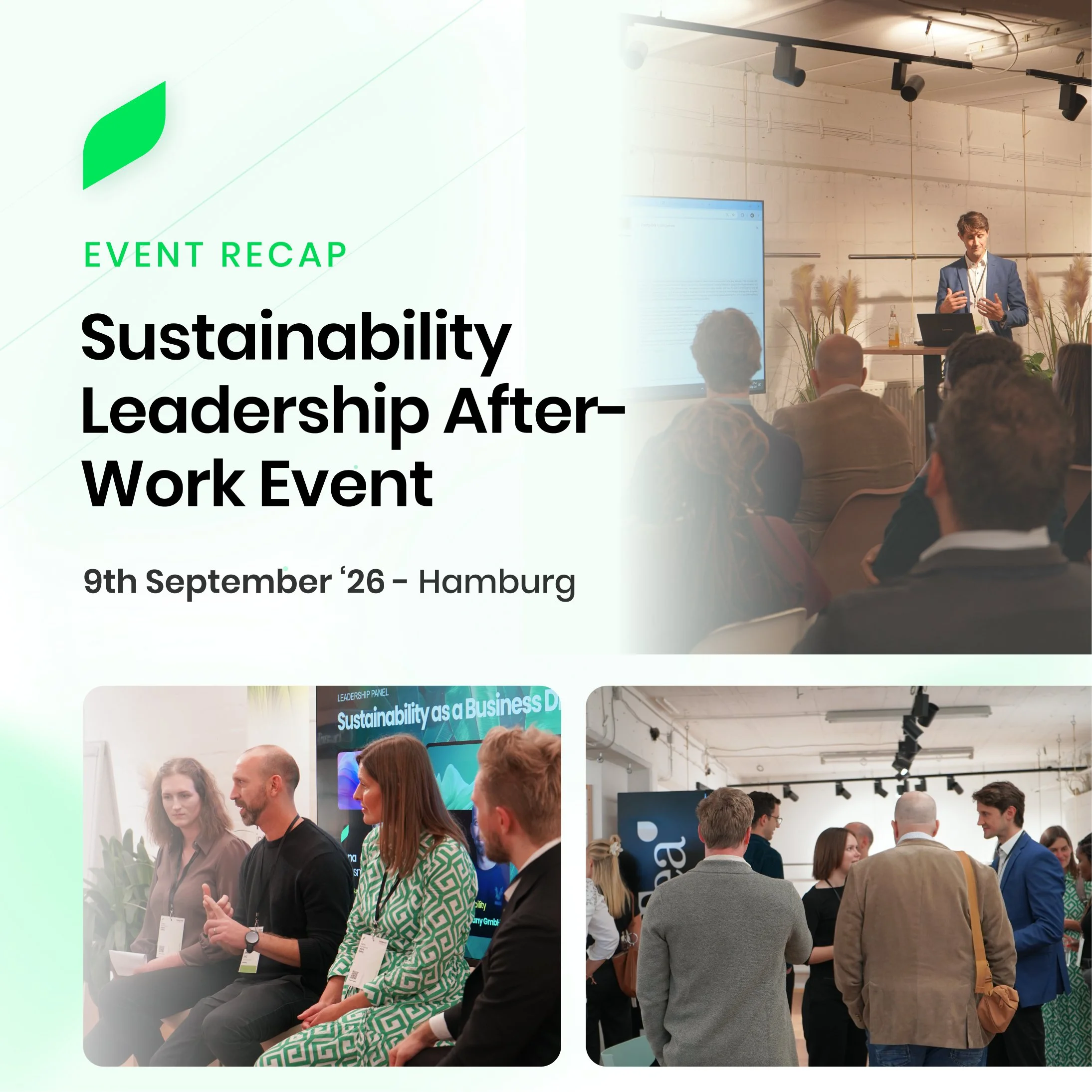
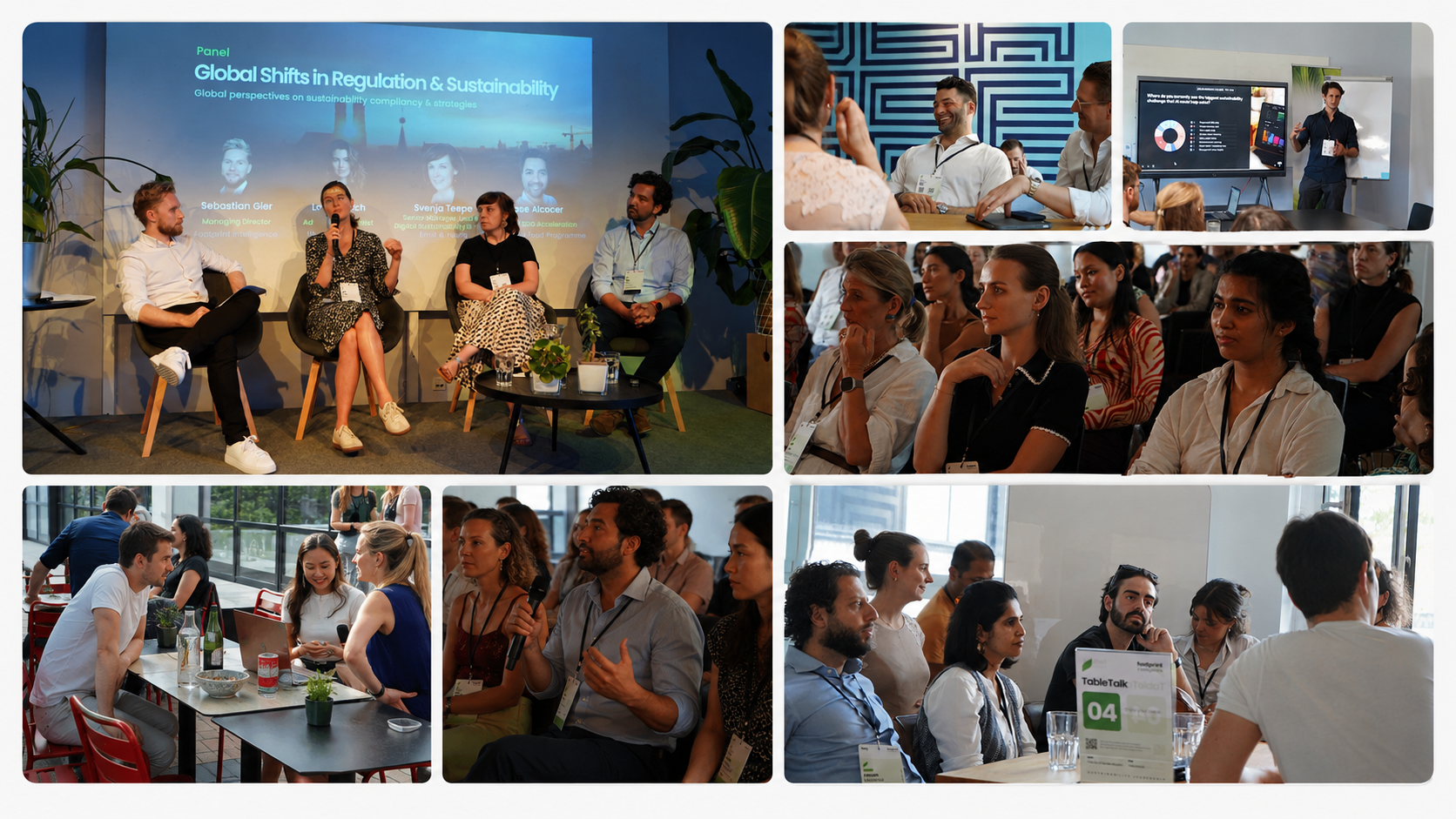
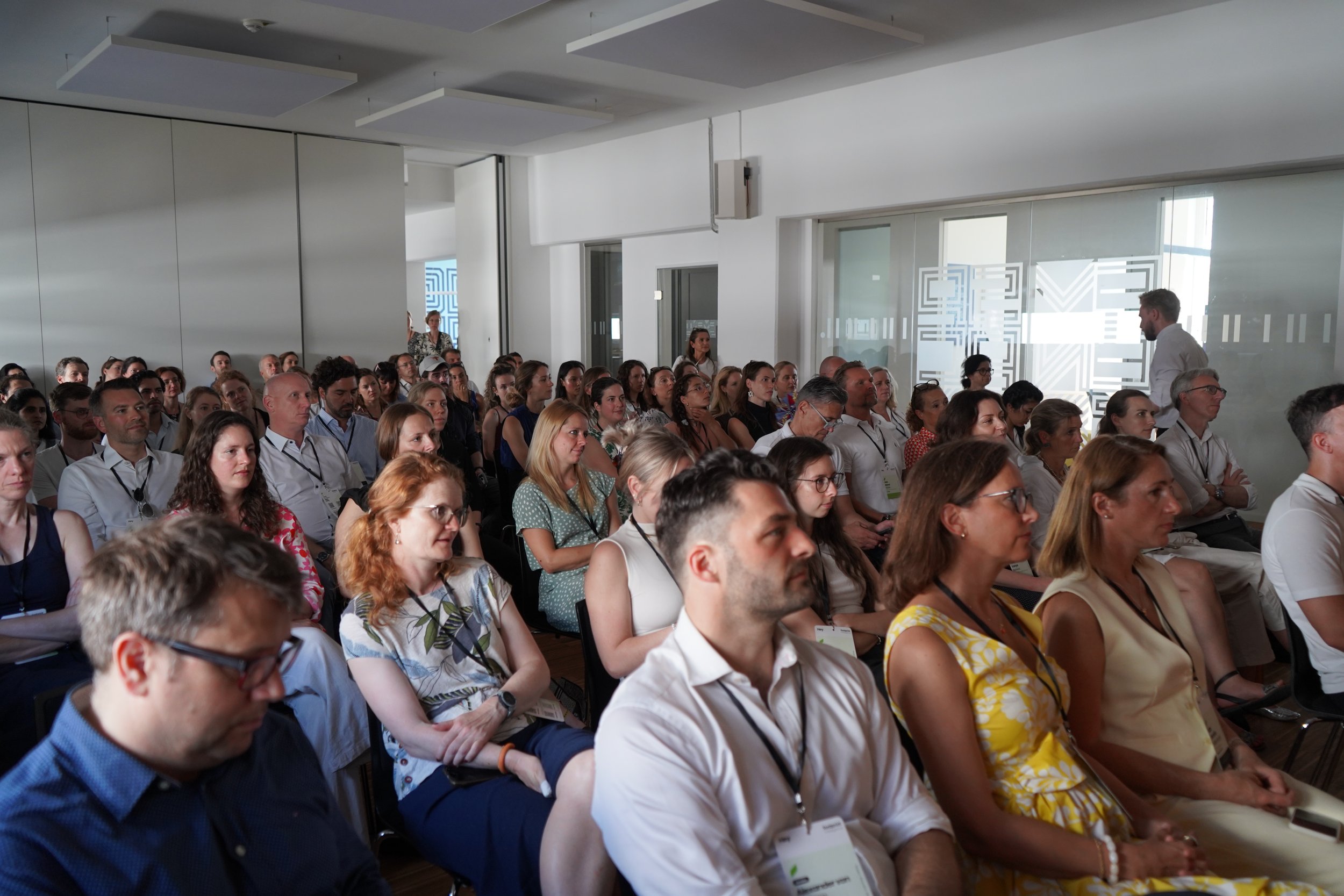
On 25 June 2026, Footprint Intelligence convened its annual Sustainability Leadership Summer Conference in Munich, bringing together approximately 200 sustainability managers, executives, legal professionals, supply chain leaders, finance specialists and business strategists for a full day of structured dialogue about the future of corporate sustainability management.
The conference theme, Beyond Reporting: How Can Sustainability Be a Strategic Driver in Your Organization?, was not chosen arbitrarily. It reflects a defining tension in the current sustainability landscape: companies are facing growing expectations to report, disclose and comply, while at the same time being asked to translate sustainability into clearer decisions, stronger resilience, credible communication and measurable business value.
This tension shaped the conversations throughout the day. Sustainability teams are operating in an environment marked by regulatory change, geopolitical uncertainty, fragile supply chains, increasing scrutiny of environmental claims, pressure on costs and margins. Against this backdrop, the conference created space for a practical and urgent question: how can organizations build the capabilities needed to make sustainability a source of strategic clarity?
The answer, as the day made visible, does not sit in one department, one framework or one technology. It requires leadership, data, finance, product development, procurement, legal, communications and operations to work together with far greater consistency
Leadership That Turns Targets Into Practice
The opening panel, Sustainability Leadership & Transformation in 2026: From Targets to Organizational Impact, combined perspectives from corporate sustainability leadership in the investment and retail sector, the built environment and construction industry, and circular economy innovation. Together, Dr. Saskia Juretzek, Alexander von Brevern and Markéta Miltenberger discussed one of the most foundational challenges in corporate sustainability: the gap between stated ambition and organizational reality. Many companies have set targets, developed strategies and built reporting structures, yet real transformation depends on whether sustainability becomes part of how decisions are made across the business. The discussion focused on what enables organizations to move from intention to implementation: executive commitment, credible and motivating targets, clear ownership across functions, reliable data, internal alignment and the ability to address resistance. Sustainability affects purchasing decisions, product design, investment logic, customer communication, workforce engagement and governance structures. When these areas remain disconnected, even ambitious strategies struggle to create momentum. The panel also addressed a persistent internal barrier: sustainability is often perceived as additional work or as a cost factor. This makes leadership communication especially important. Leaders need to connect sustainability with resilience, efficiency, innovation, business continuity and measurable value creation, while also creating the structures that allow teams to act: useful data, realistic priorities, financial logic, decision rights and accountability.


A central conclusion of the panel was that sustainability leadership in 2026 requires the ability to speak two languages at once: the language of impact, responsibility and long-term transformation, and the language of business value, ROI and operational performance. Leaders who can translate between these perspectives —building bridges between sustainability teams and CFOs, between compliance obligations and commercial opportunities, between ambition and day-to-day execution — will shape the next generation of successful corporate sustainability management.
Global Sustainability Beyond the European Lens
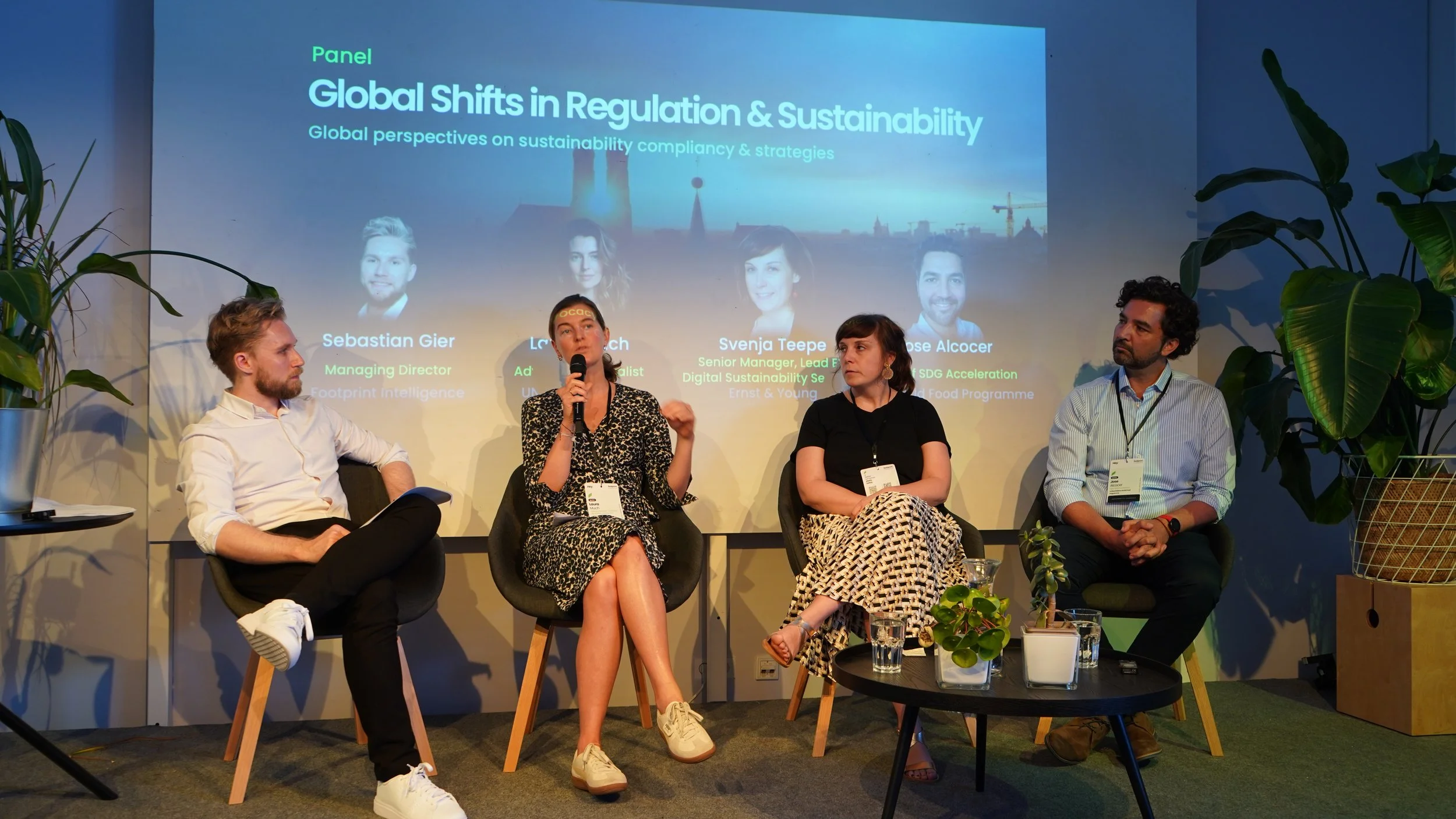
The panel International Sustainability: Global Perspectives on Compliance, Strategy and Responsibility brought a broader global perspective into the conference. Laura Much, Svenja Teepe and Jose Alcocer discussed how companies navigate sustainability across regions, regulatory systems and stakeholder realities, drawing on perspectives from United Nations agencies, the public sector and Big Four consulting.
The discussion highlighted how differently sustainability is experienced depending on geography. European companies often approach sustainability through reporting obligations, due diligence requirements and regulatory timelines. In many sourcing regions, the same topics appear through very concrete questions of working conditions, child rights, community impact, institutional capacity, local governance and economic development.
This distinction is especially important for human rights and supply chain due diligence. A purely tier-based view of supplier risk can miss the most severe impacts. Effective due diligence requires companies to understand where the most serious risks occur, how local systems work and which actors need to be involved to create meaningful improvements.
The panel also emphasized collaboration. Global sustainability challenges cannot be solved by companies acting in isolation or by imposing standards without understanding local realities. Businesses, governments, civil society, international organizations and local institutions each hold part of the solution. Regulation can create expectations and accountability, but implementation depends on capacity, trust and cooperation.
The international panel gave the conference one of its most important reminders: sustainability strategies need global consistency and local intelligence. Companies require principles they can apply across markets, while also understanding that practical impact depends on context.
Communication, Credibility and the Role of Media
The session Sustainability in Media and Digital Industries: From Insight to Trustworthy Communication explored how sustainability becomes visible, understandable and credible in a media environment shaped by attention, speed and storytelling.
Rebecca Hummelsberger, Senior Manager Sustainability & DEI, brought the perspective of the media and digital entertainment industry into the discussion, focusing on how sustainability can be translated into credible communication, engaging storytelling and formats that resonate with audiences. The topic is particularly relevant because sustainability communication faces a difficult balance. Messages need to be simple enough to be understood, but specific enough to remain credible. They need to engage audiences without oversimplifying the underlying issues.
The session highlighted that sustainability communication works best when it is integrated naturally into formats, products and narratives. If sustainability appears only as a campaign or isolated message, it can feel disconnected. When it becomes part of the product logic, the story, the values and the creative process, it can build familiarity and trust over time.
The discussion also addressed commercial reality. Media organizations operate within attention-driven business models. Reach, relevance, audience response and return on investment matter. This creates a practical challenge: how can sustainability topics be communicated in ways that are engaging, responsible and commercially viable?
For companies outside the media sector, the lesson is equally relevant. Sustainability communication should be specific, substantiated and audience-aware. Data matters, but data alone rarely creates understanding. Strong communication connects evidence with context, relevance and a clear message.

Resilient Supply Chains in an Unstable World
The panel Supply Chains Under Pressure: Resilience, Transparency and Impact brought together Irina Bolgari, Marko Tschürtz and Sylvie Kwiek to discuss how companies can build supply chains that are sustainable and operationally viable.
Supply chains have moved to the center of corporate strategy. Cost pressure, geopolitical instability, climate risks, material availability, regulatory requirements, supplier capacity and customer expectations are all shaping sourcing decisions. Sustainability teams and procurement teams increasingly need to work together because many of the most important sustainability impacts sit outside the company’s direct operations.
The discussion focused on the practical gap between sustainability goals and operational reality. Companies may set ambitious targets, while procurement teams deal with short lead times, price pressure, supplier constraints and limited data. This makes supply chain sustainability a highly practical discipline. It requires supplier relationships, prioritization, internal alignment and realistic implementation pathways.
The panel also addressed the role of regulation and standards. PPWR, certification systems and product-related requirements are forcing companies to understand materials, packaging, traceability and supplier practices in more detail. At the same time, regulation can create pressure when guidance arrives late or when requirements are difficult to implement in complex global supply chains.
A recurring theme was the need to move from fragmented visibility to actionable decisions. Transparency is valuable when it informs sourcing, supplier development, packaging choices, risk management and long-term partnerships. A resilient supply chain is built through collaboration, data quality, diversification, local understanding and the ability to make trade-offs consciously.

Product Sustainability Where Regulation Meets Market Success
The panel Product Sustainability in Practice: Data, Design and Market Readiness addressed one of the most tangible areas of sustainability management: the product itself.
Wolfgang Steiner, Birgit Berthold-Kremser, Lina Kindermann, Ghislain Vathelotand and Tatiana Captari discussed how regulation, lifecycle data, product carbon footprints, ecodesign and market expectations are changing the way companies approach product development.
Product sustainability is becoming increasingly data-intensive. Companies need to understand emissions, materials, packaging, repairability, recyclability, supplier inputs and lifecycle impacts. These requirements are becoming more relevant through the Digital Product Passport, ecodesign requirements, customer expectations and procurement standards.
The practical point is clear: sustainability needs to enter product decisions early. Once a product has been designed, sourced and industrialized, many sustainability levers become more difficult and expensive to change. Early integration allows teams to identify better materials, reduce energy demand, avoid unnecessary packaging, improve durability and create more circular models.
The panel also connected sustainability to competitiveness. Product-related sustainability data can support compliance, but it can also improve design quality, reduce material use, strengthen customer trust and open new market opportunities. LCA and PCF are therefore valuable when they support decisions, not only calculations.
This session showed how sustainability becomes concrete. It moves from abstract targets into design choices, supplier requirements, product specifications and market positioning

Finance, Trust and Long-Term Value
The finance panel, Sustainable Finance as a Lever for Trust, Risk and Capital Allocation, explored how the financial sector can turn sustainability data, regulation and risk into strategic action.
With Antje Späth the discussion focused on the role of finance in sustainable transformation. Banks, investors and financial institutions are central actors because they influence how capital is allocated, how risk is assessed and how companies are supported through transition.
The session addressed several key questions. How can financial institutions assess sustainability risks when historical data is limited? How can sustainable financial products maintain trust? What data is needed to make investment decisions credible? How can finance balance short-term performance pressure with long-term resilience?
Trust was one of the central themes. Sustainable finance depends on confidence in the underlying information, the credibility of product definitions and the ability to distinguish meaningful transition strategies from superficial positioning. Fragmented data and inconsistent claims create risk for financial institutions and investors alike.
At the same time, the finance sector has a major opportunity. Better sustainability data can improve risk assessment, client advisory, capital allocation and transformation financing. Finance can help companies understand where sustainability affects credit risk, investment needs, resilience and long-term value creation.
The panel made clear that sustainable finance is becoming more operational. It depends on data quality, governance, transparency and the ability to connect sustainability information with financial decision-making.


Responsibility as a Source of Business Value
The closing panel, Beyond Reporting: Sustainability as a Driver of Revenue, Opportunity and Growth, returned to the central theme of the conference. Alexander Walz, Dr. Markus Sardison and Martina Klein discussed how sustainability can contribute to commercial value, innovation and long-term competitiveness.
This panel focused on one of the most important questions for sustainability leaders: how can sustainability initiatives be connected to business outcomes that matter to the organization?
The discussion centered on examples such as sustainable product development, energy-efficient devices, circular recovery models, refurbishment, material efficiency and customer value. These examples show how sustainability can contribute to cost reduction, risk reduction, product quality, customer trust and new business models.
A recurring barrier is perception. In many organizations, sustainability is still associated with cost, complexity or slower processes. This makes the internal business case essential. Sustainability teams need to connect their work to the language of the business: margin, operational efficiency, customer benefit, risk exposure, resilience, innovation and revenue potential.
The panel also emphasized the importance of a broader view. Sustainability is often reduced to carbon targets, but business value can also emerge from energy efficiency, product lifetime, repairability, material choices, packaging, circularity and usability. The strongest opportunities often appear when sustainability is embedded into product and business model development from the beginning.
The closing discussion gave the conference a pragmatic conclusion. Sustainability can create business value when companies can prove outcomes, scale successful initiatives and connect responsibility with commercial strategy.
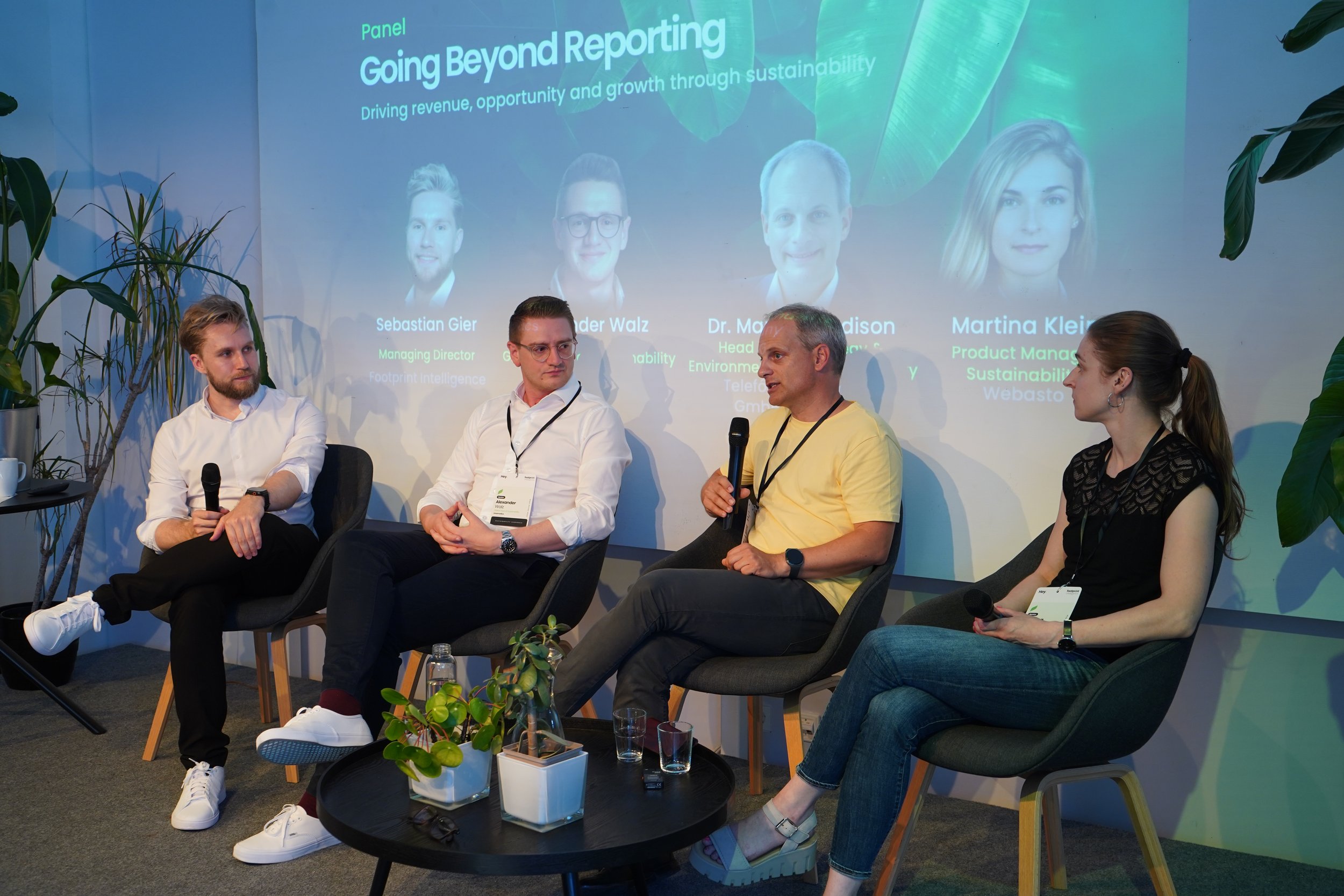
Table Talks and Workshops: From Strategic Themes to Practical Questions
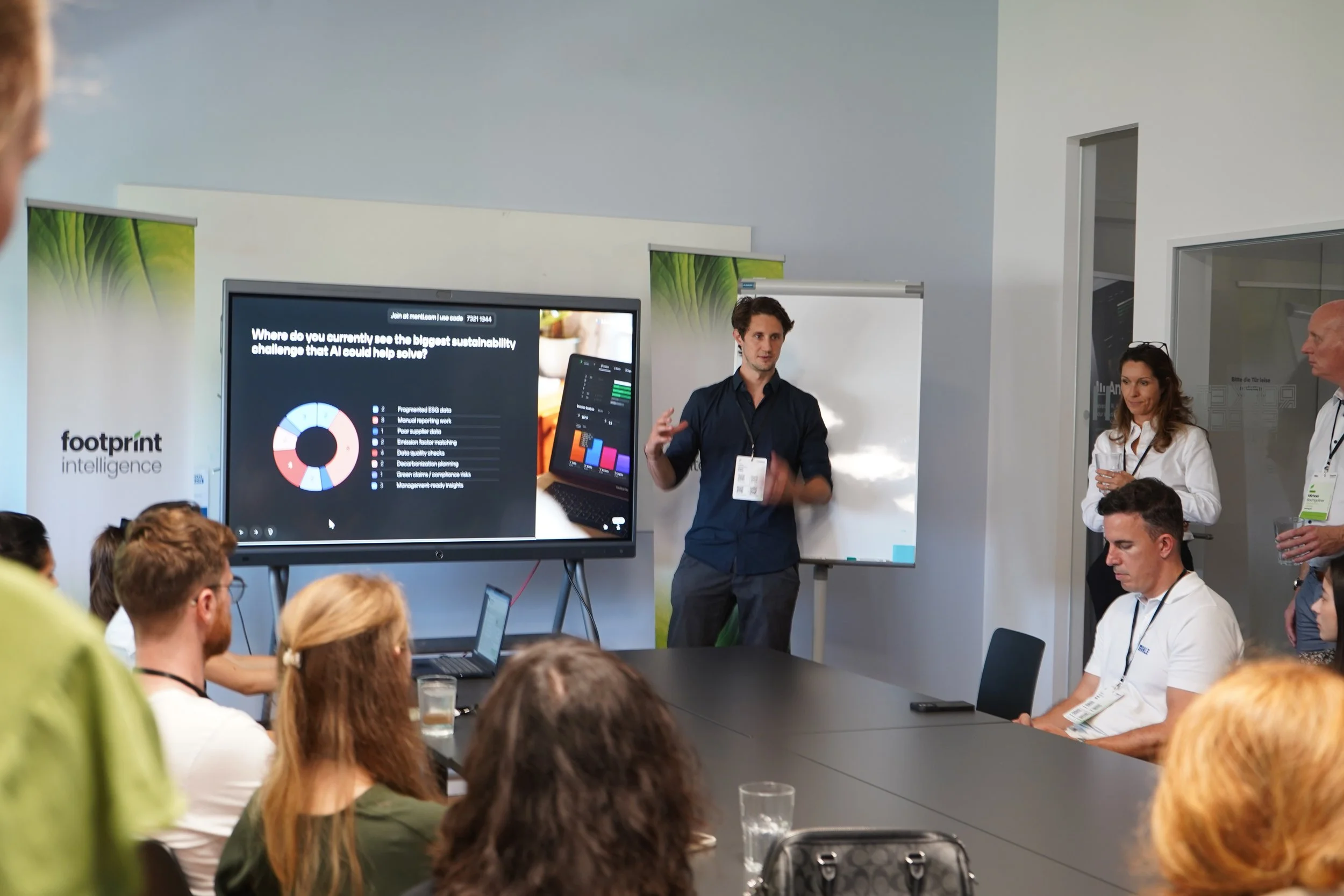
The table talks, workshops and side sessions gave participants space to explore specific challenges in more detail, with several Footprint Intelligence sessions focusing on how AI, data quality and business value are reshaping sustainability management in practice. In From Climate Targets to Business Value: Decarbonization, ROI & Transformation, the audience responses pointed to a clear implementation challenge: ROI clarity and management buy-in appear to be the main choke points for many organizations. Stronger business cases, better financial translation and closer integration with finance and operations may therefore be decisive for turning climate targets into day-to-day decisions. Data quality and availability also emerged as repeated barriers, suggesting that companies need stronger support not only in measurement, but also in interpreting data and connecting it to concrete action.
The AI-focused sessions — AI Meets ESG: How to Increase Quality & Reduce Time for Sustainability Reporting, How Does AI Change the Future of Corporate Sustainability? and Chaotic & Missing Data: How to Streamline Carbon Management via AI — showed where participants currently see the most immediate value of AI. Manual ESG reporting stood out as one of the clearest use cases, ahead of broader planning or supplier data challenges. In carbon management, the biggest time sink appears to be data cleaning and consolidation, especially where information is incomplete, inconsistent or spread across different systems. Supplier and Scope 3 data were also identified as areas requiring major effort, underlining the importance of supplier-specific and primary data for meaningful progress. At the same time, the audience responses showed that trust in AI-supported sustainability results depends strongly on explainability. Source references, transparent calculation logic, audit trails and documentation were seen as more important than generic confidence scores. Human review remains relevant, but the stronger signal was that governance, traceability and visible logic are essential if AI is to support sustainability work credibly.
Another table talk focused on AI for EmpCo compliance and green claims, addressing a question that is becoming urgent for many companies: how can businesses make environmental claims that are legally compliant, specific, credible and commercially meaningful? The discussion underlined that compliance creates the minimum standard, while credibility requires reliable data, internal ownership, clear evidence and alignment between sustainability, legal, marketing and business teams. AI can support companies by identifying risky claims, reviewing large volumes of communication and creating more consistent approval processes. The underlying responsibility remains organizational.
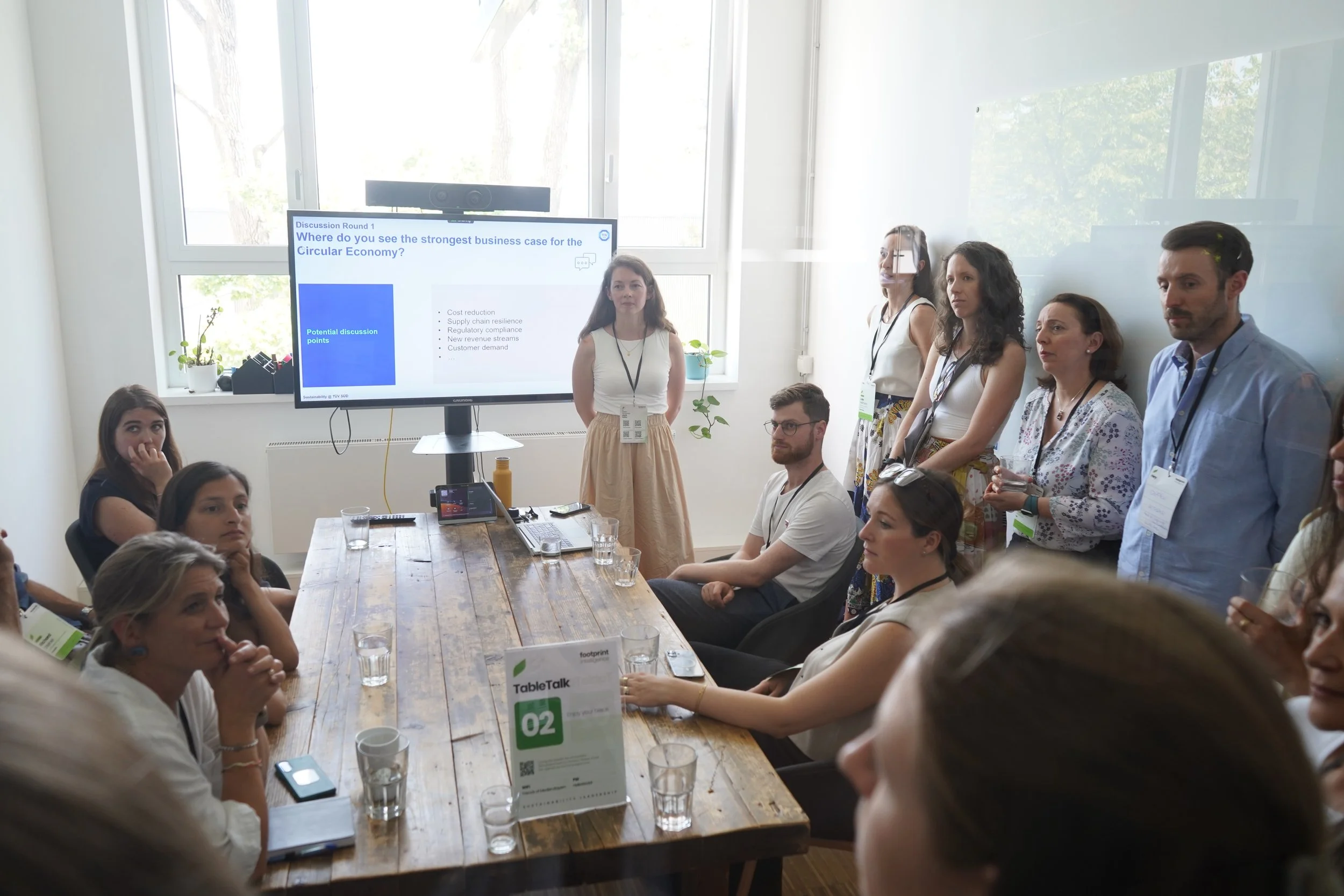
Further table talks and workshops addressed circular economy, investment decisions, Scope 3 data, climate scenarios, cyber security and ESG, double materiality, product footprints, Digital Product Passport readiness and long-term value creation. Together, these sessions reflected the operational reality of sustainability work in 2026: companies need better data, clearer processes, stronger collaboration and tools that help teams move from analysis to implementation.


What the Conference Revealed
The Sustainability Leadership Summer Conference 2026 showed how broad, demanding and strategically relevant corporate sustainability management has become. Across the panels, table talks and workshops, the same pattern appeared from different angles: sustainability creates value when it is connected to the actual decisions companies make — in leadership, finance, product development, procurement, communication, risk management and operations. Reporting remains an important foundation, but the decisive work begins when sustainability data is used to steer priorities, allocate resources, build trust and improve business resilience.
The discussions also made clear that the next phase of sustainability management will require stronger translation between different parts of the organization. Sustainability teams need to connect impact with ROI, regulation with operational feasibility, product data with market success, supply chain transparency with sourcing decisions, and communication with substantiated evidence. This requires more than ambition. It requires reliable data, clear ownership, credible governance and the ability to bring people across departments into the same conversation.
AI will likely play an increasingly important role in this development, especially where companies are dealing with fragmented data, manual reporting processes, inconsistent documentation and growing regulatory complexity. The audience responses during the Footprint Intelligence workshops showed a clear direction: companies see strong potential for AI in ESG reporting, carbon management, green claim reviews and data consolidation, but trust depends on traceability. Source references, transparent calculation logic, audit trails and explainable outputs will matter more than speed alone.
Looking ahead, the companies that are best prepared will be those that treat sustainability as a management capability rather than a separate reporting cycle. They will build systems that help teams understand risks earlier, make better product and supplier decisions, communicate more credibly, and connect transformation initiatives to measurable business value. In a world shaped by regulatory change, geopolitical uncertainty, cost pressure and rising expectations, sustainability leadership will increasingly be judged by its ability to create clarity: clarity about where impact is created, where risk is concentrated, where value can be unlocked, and what organizations need to do next.