How to Build a Sustainability Business Case: Turning ESG Ambition into Business Value
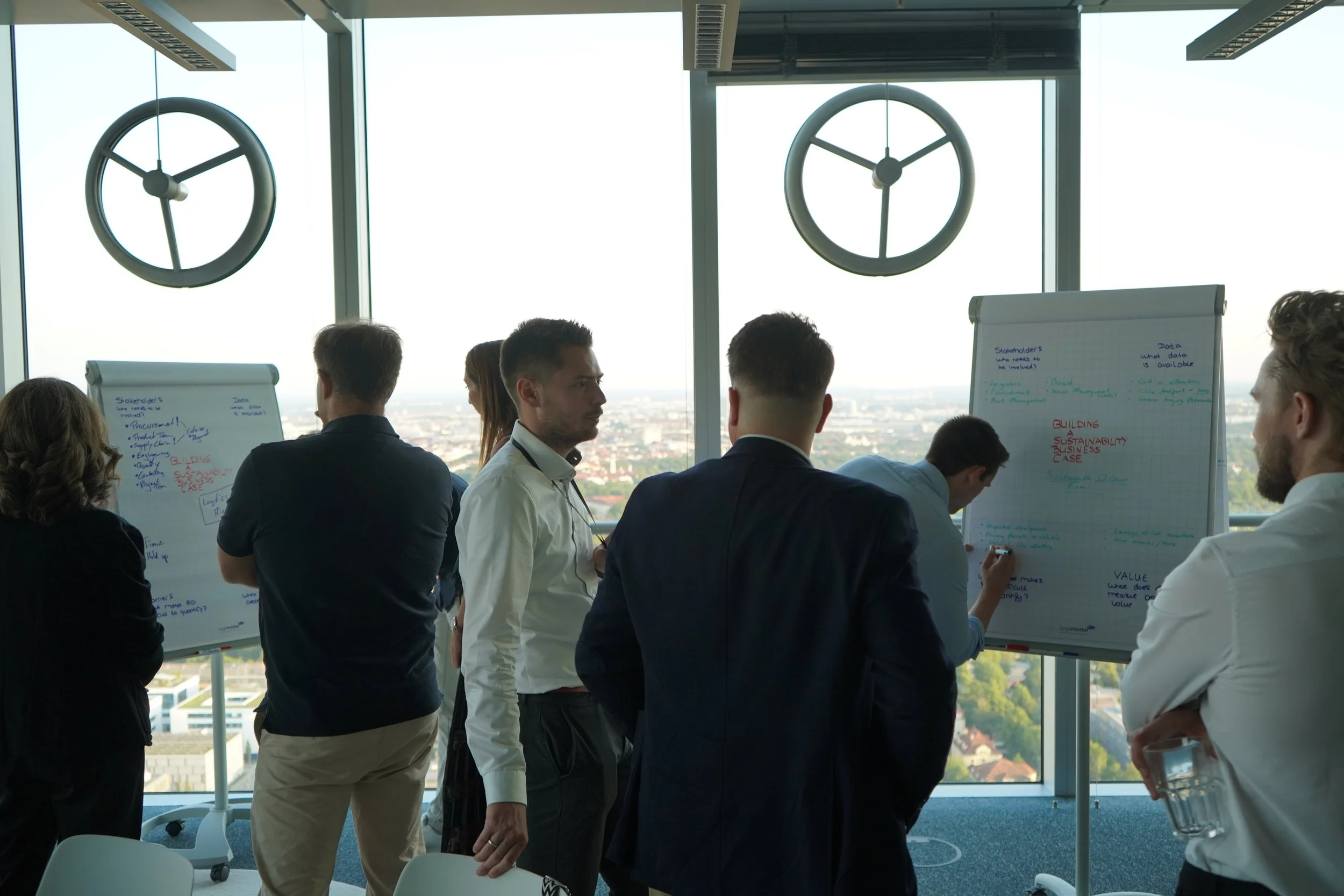
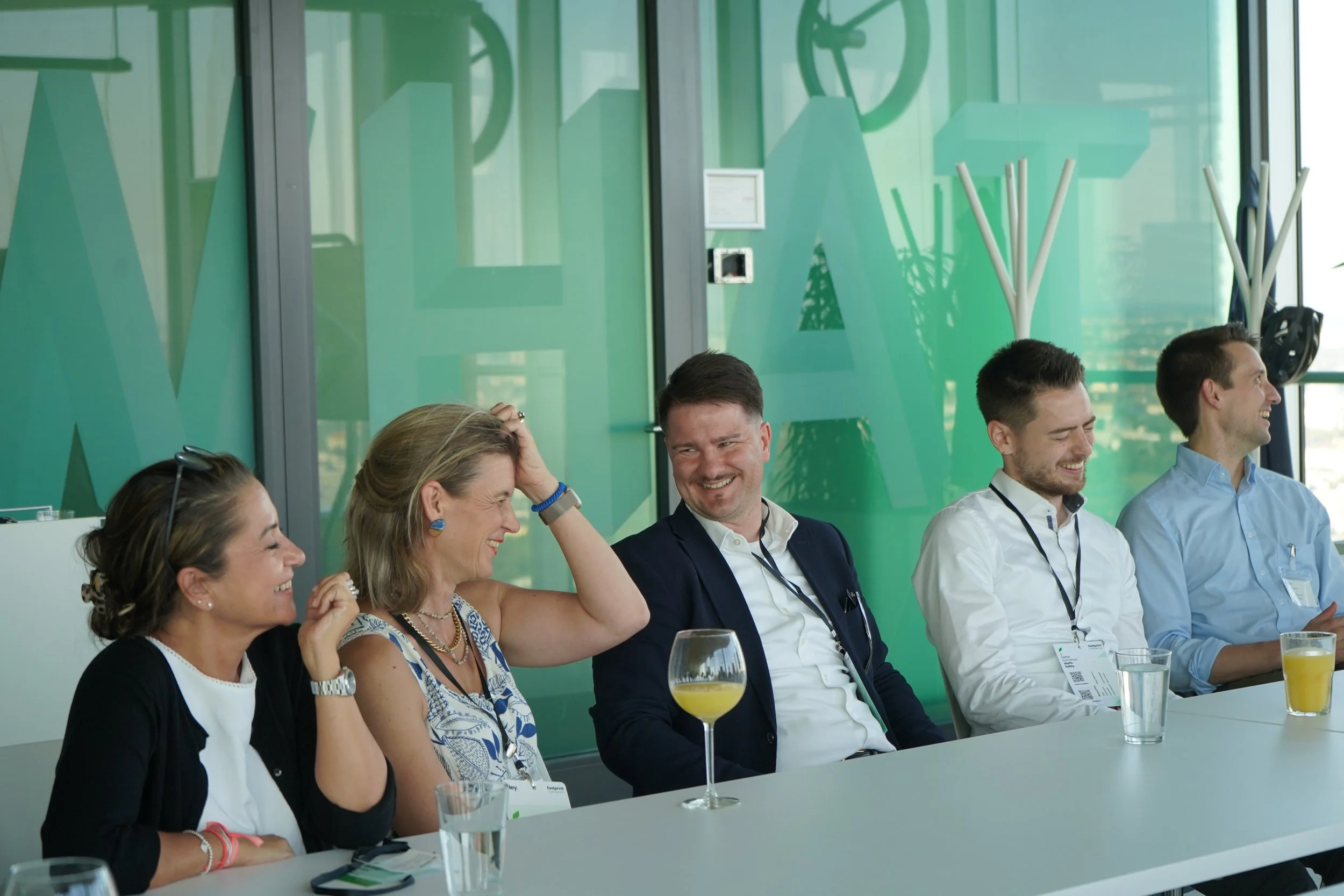
Sustainability ambitions are rarely held back by a lack of ideas. The greater challenge is turning those ideas into decisions that can compete for investment, management attention and operational resources.
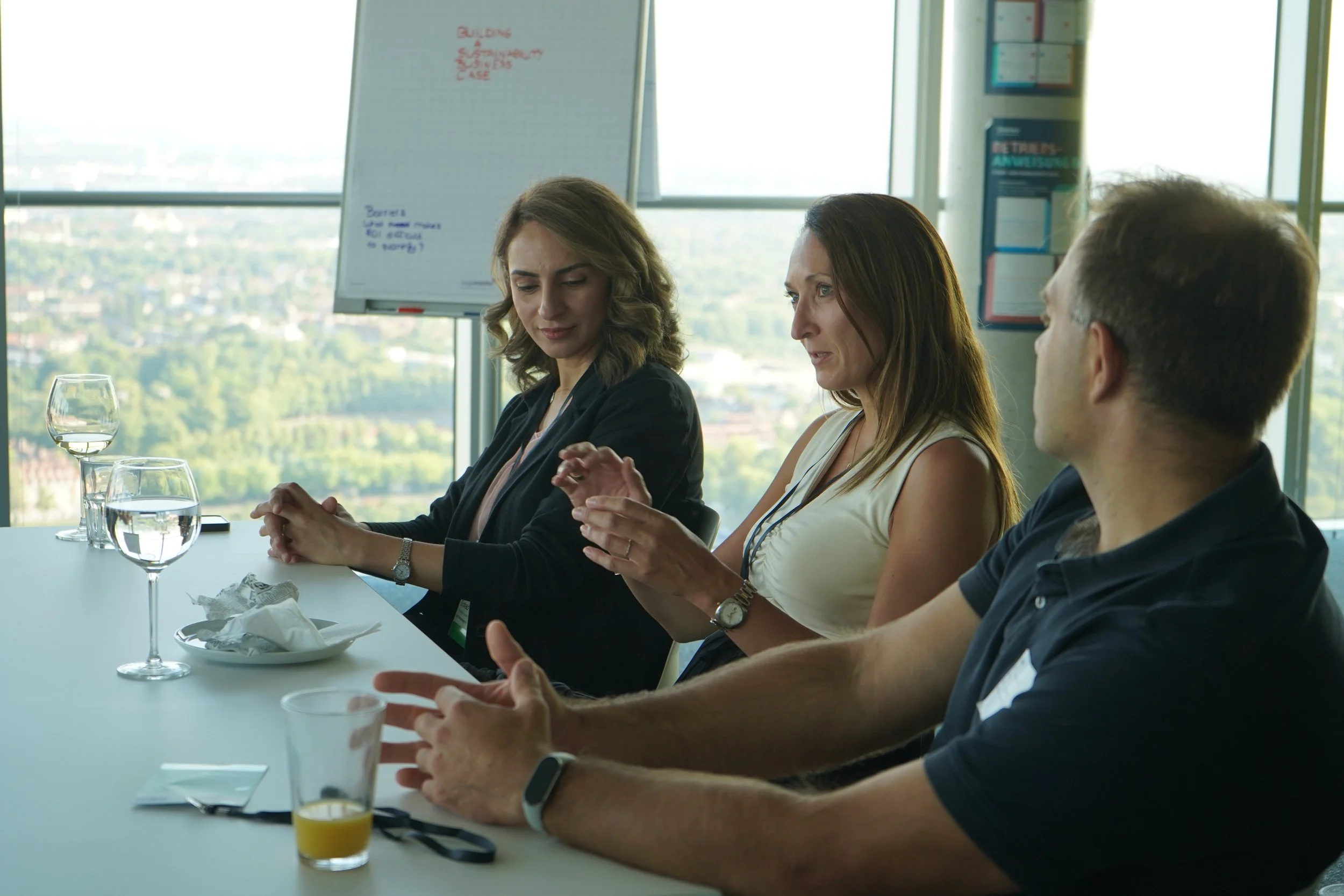
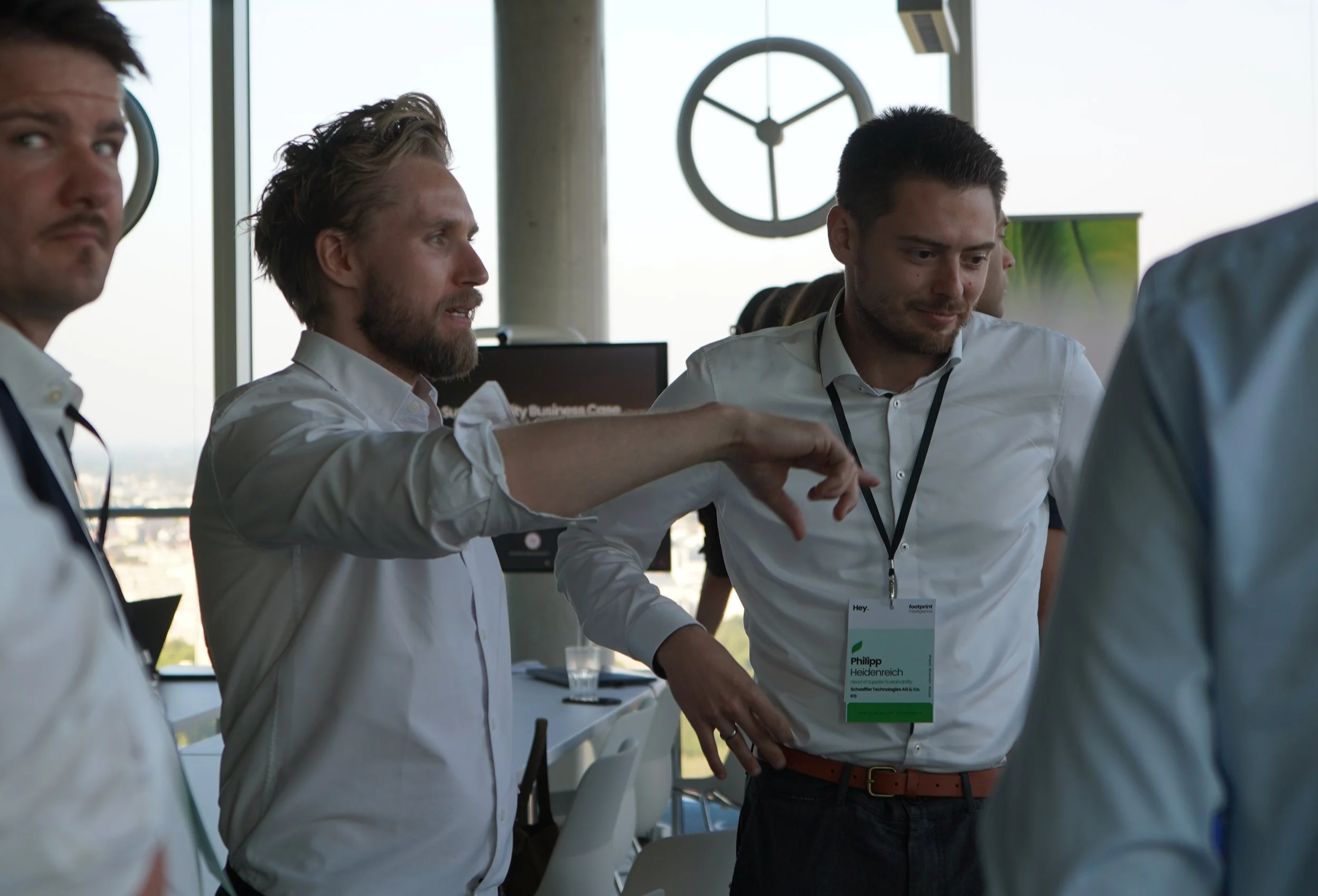
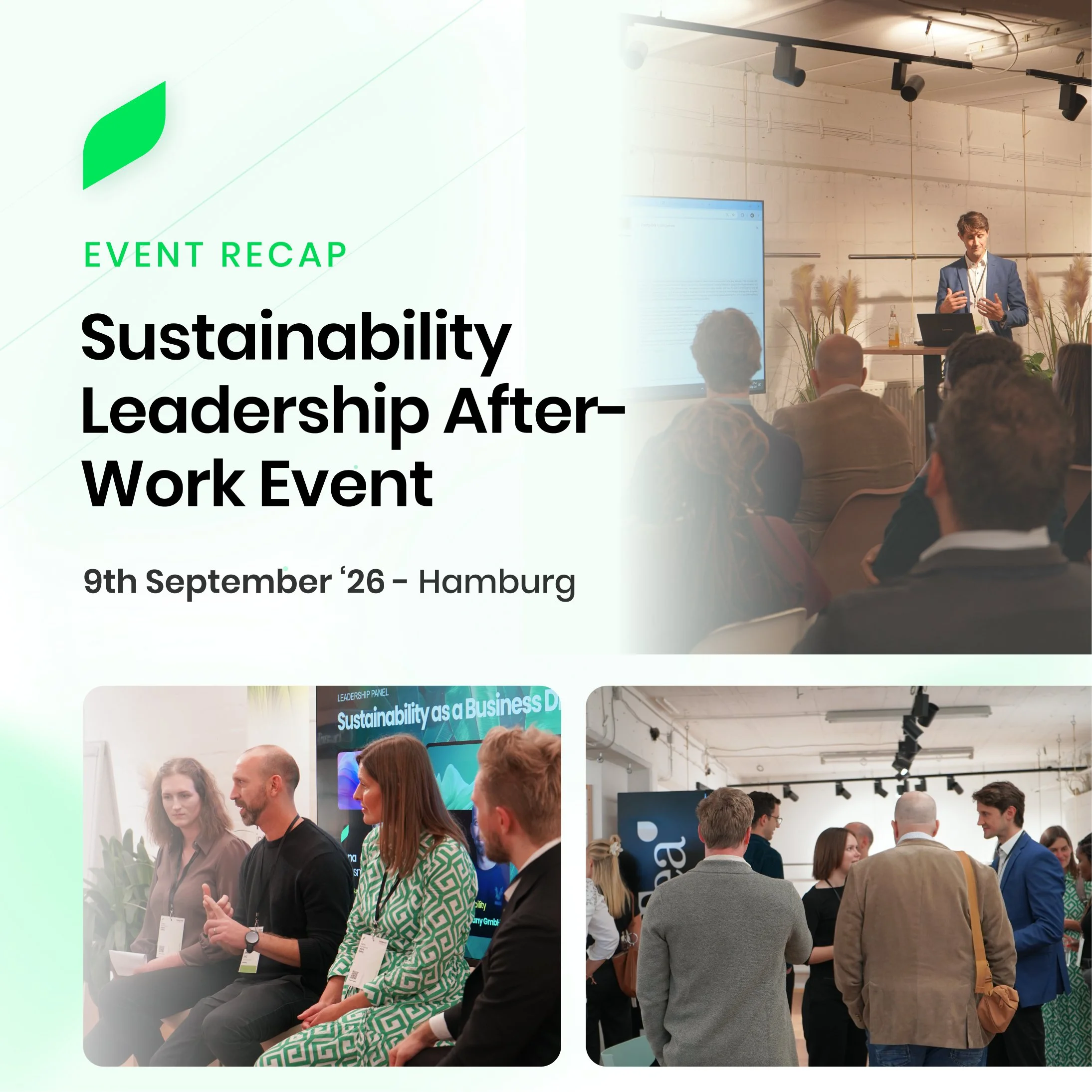
At the recent After-Work Leadership Roundtable at the O₂ Tower, Footprint Intelligence brought together professionals from banking and financial services, automotive and industrial manufacturing, consumer products, aerospace and defence, engineering and technology.
Despite the diversity of sectors and roles, one question connected everyone in the room:
How can we build a credible business case for every sustainability measure?
The discussion showed that the answer begins well before calculating a traditional return on investment. A decision-ready sustainability business case must connect financial performance with risk, resilience and measurable environmental or social impact.
The Cost of Sustainability and the Cost of Standing Still
The discussion also addressed the financial reality of transformation.
Sustainability measures frequently require substantial initial investment. Reporting, compliance and data-management requirements can also create significant ongoing costs, particularly in highly regulated sectors. This can make sustainability appear primarily as an additional cost centre.
However, a complete business case must look beyond immediate expenditure. It must also account for:
Risk reduction
Regulatory readiness
Operational resilience
Resource security
Long-term cost avoidance
Future revenue opportunities
Measurable environmental and social impact
The relevant question is therefore not only whether a measure generates a rapid financial return.
It is also whether the organisation understands the financial and strategic consequences of acting — and of not acting.
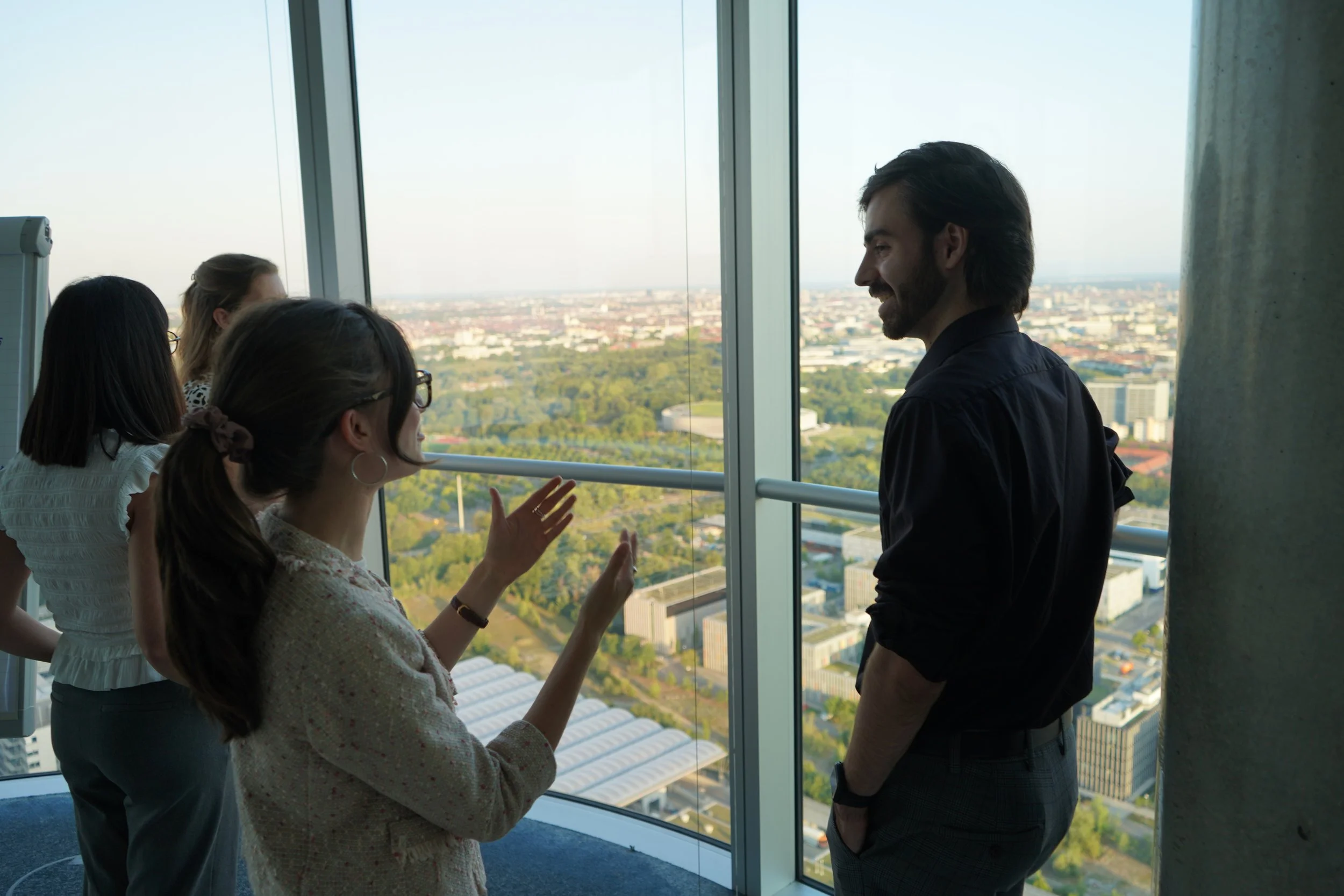
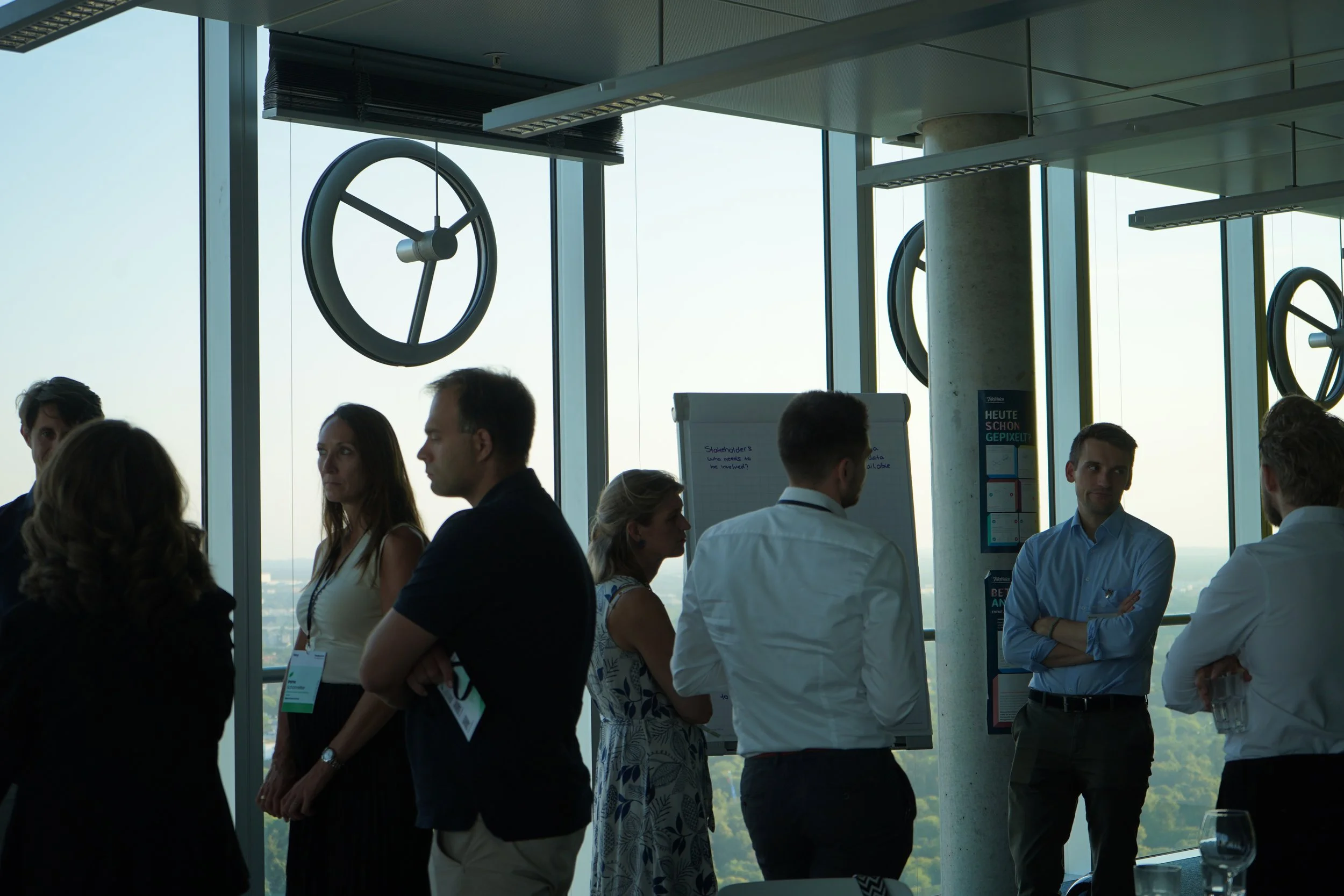
Connecting Sustainability Impact with Business Value
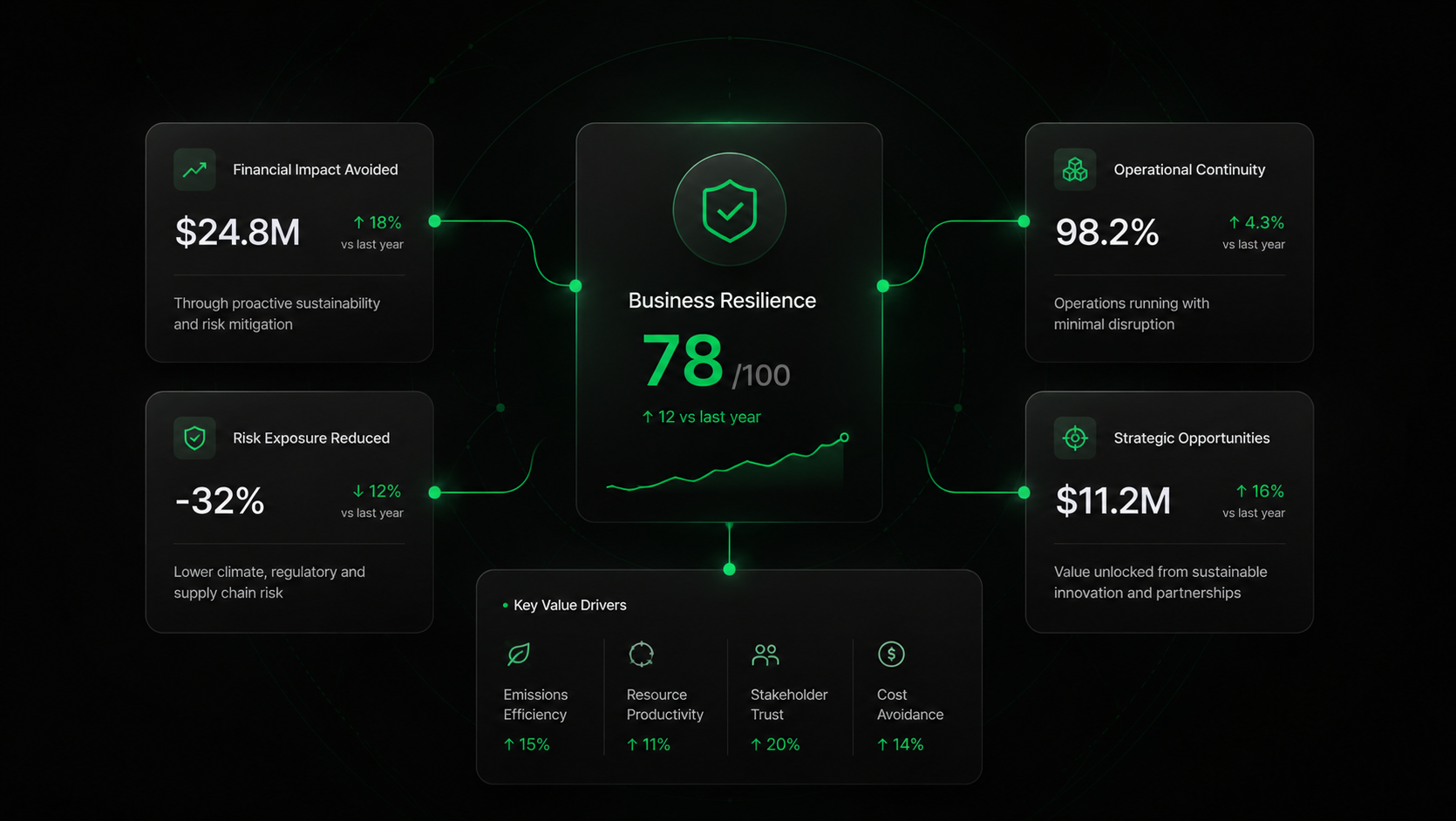
This is where the Footprint Intelligence Impact Framework comes in. It provides a common language for connecting sustainability ambitions with the financial, operational and strategic realities of a business.
Rather than looking at sustainability measures in isolation, the framework brings together three perspectives — Financials, Risk and Sustainability — to make their business relevance more visible and comparable. The aim is to understand how a measure contributes not only to environmental targets, but also to the broader transformation and long-term performance of the organisation.
This creates a more consistent basis for prioritisation. Sustainability initiatives can be discussed alongside other strategic investments, while their implications for the business become easier to communicate across functions — from sustainability and procurement to finance, risk, operations and senior management.
Ultimately, the framework is designed to help move sustainability from ambition into decision-making: creating the transparency needed to prioritise measures, allocate resources and build a transformation pathway that connects sustainability progress with business value.
From Theory to Practice: Building the Business Case
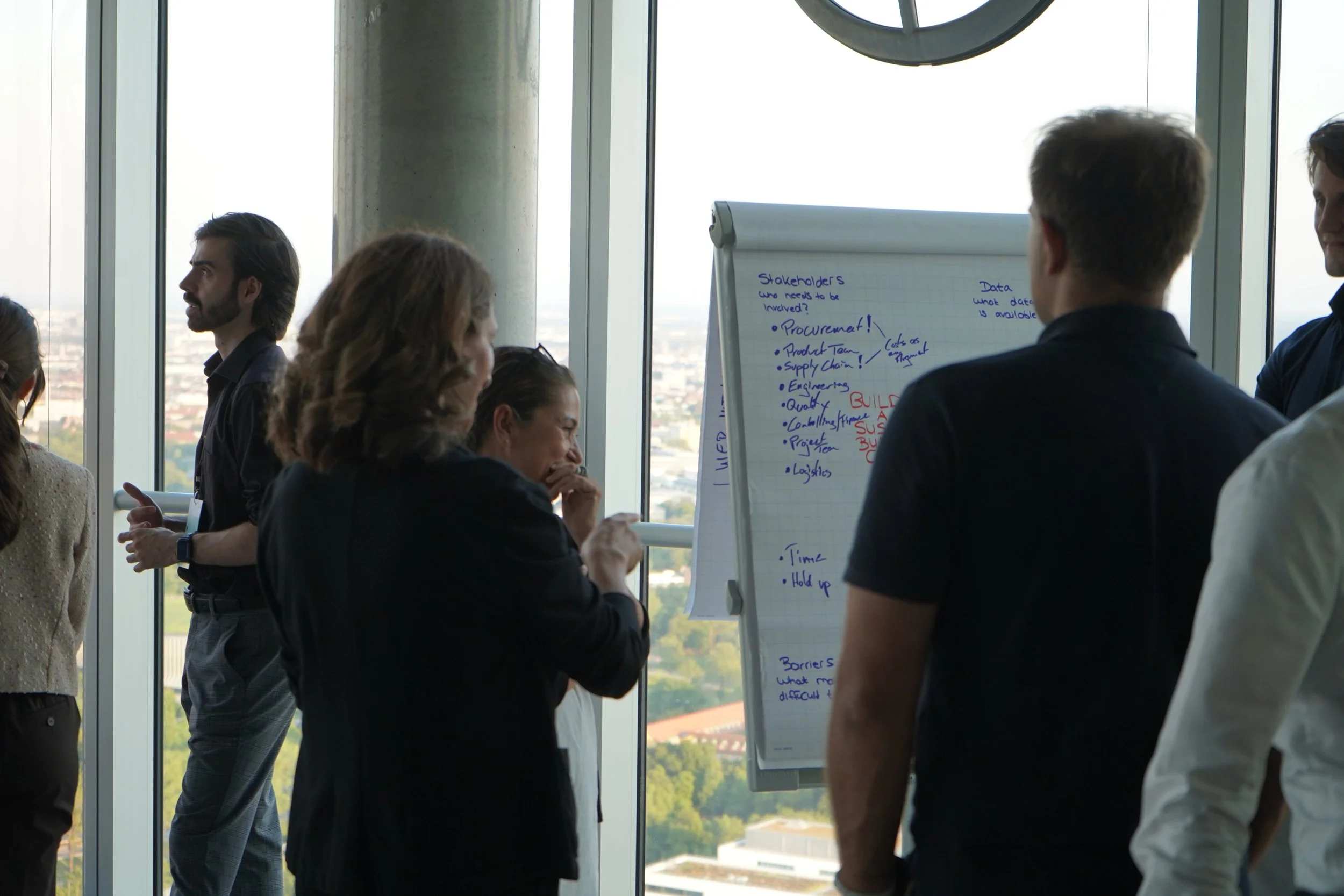
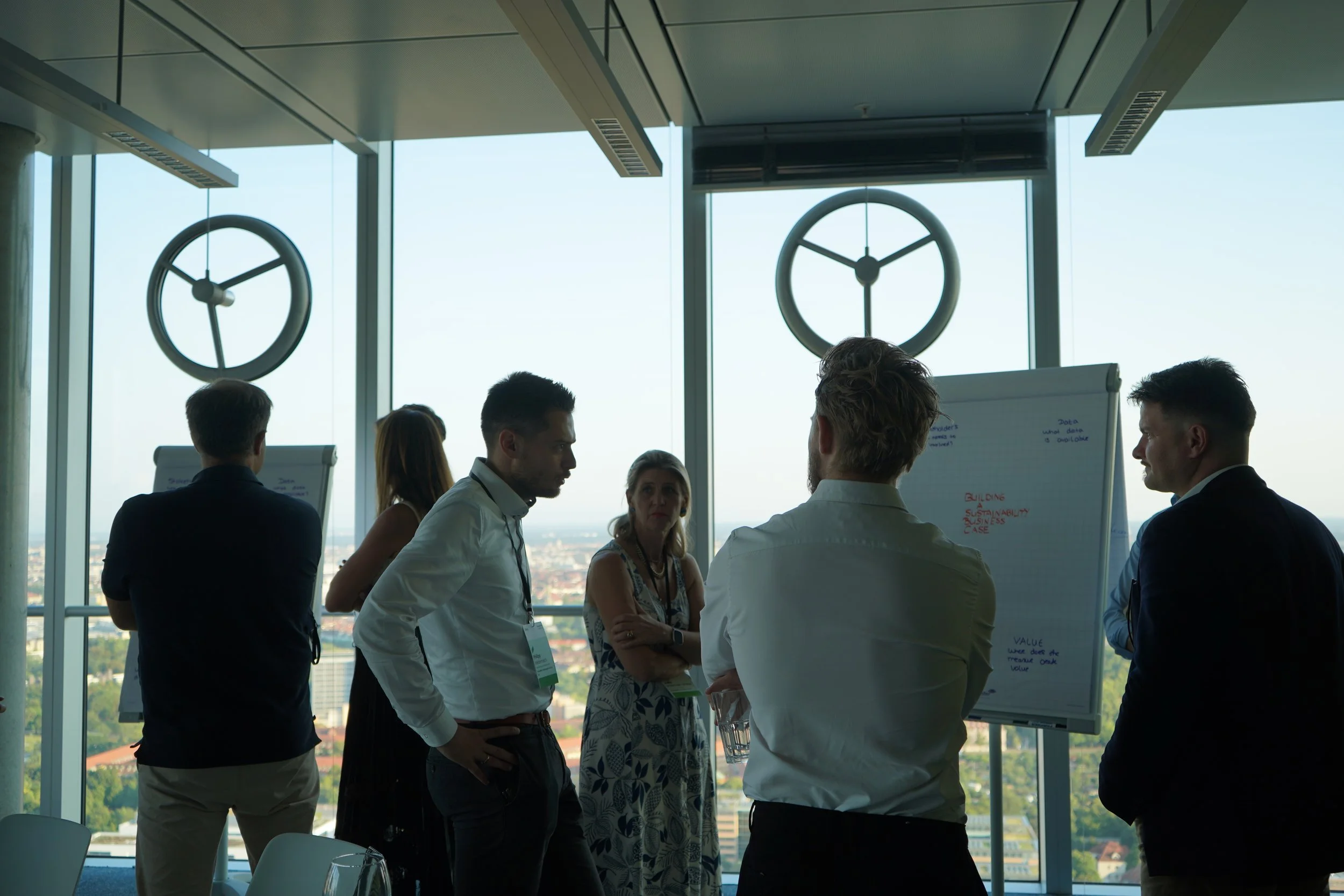
To make the framework tangible, participants worked in small groups.
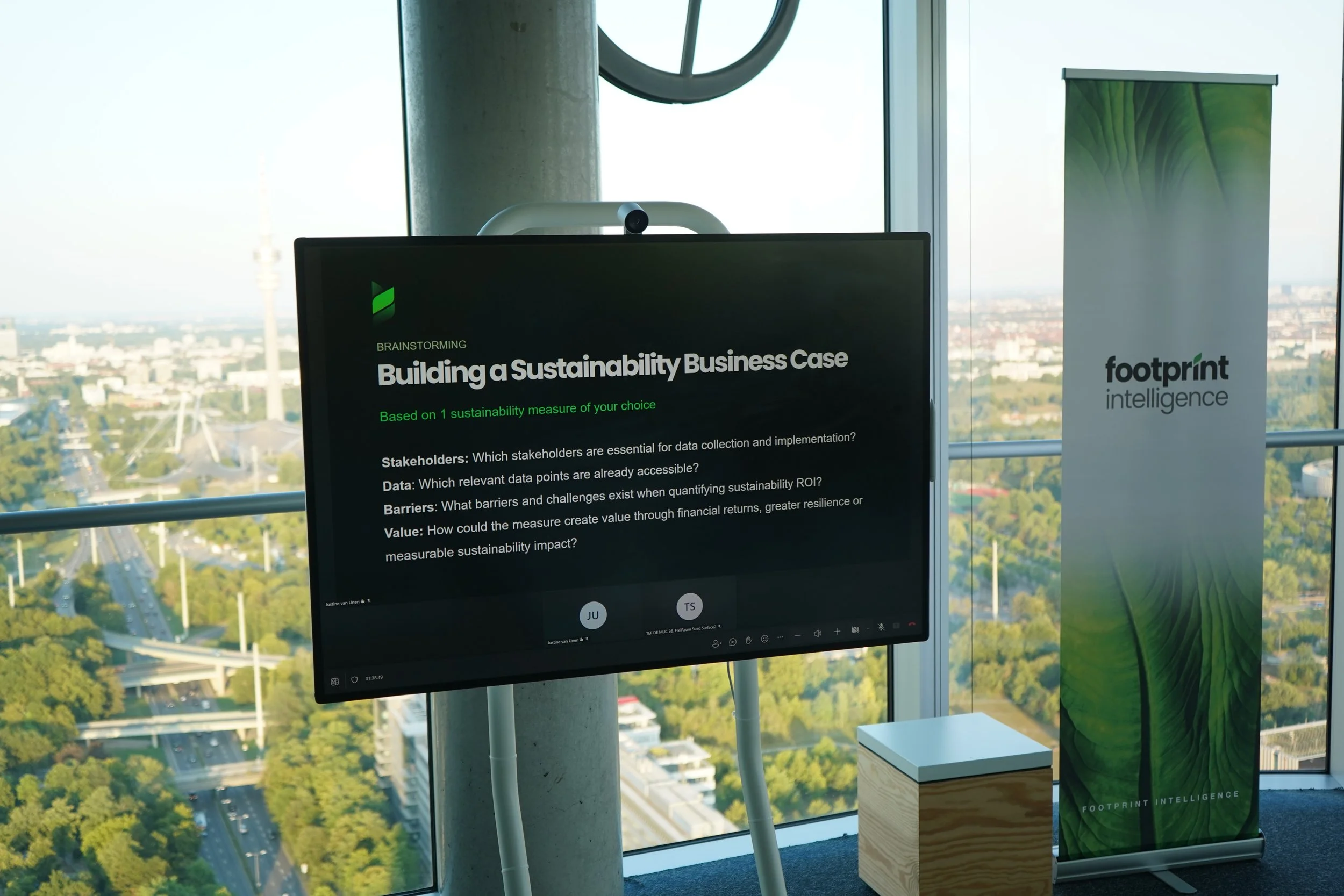
Each group selected one sustainability measure relevant to its experience — potentially a measure that had previously been difficult to implement — and explored what would be required to turn it into a credible, decision-ready business case.
The exercise was structured around four questions:
Stakeholders: Who needs to contribute data, validate assumptions, make decisions and implement the measure?
Data: Which financial, operational, risk and sustainability data is already available?
Barriers: What currently makes the sustainability ROI difficult to quantify?
Value: How could the measure create financial returns, greater resilience or measurable sustainability impact?
Three Measures, Three Different Business Cases
The groups selected three very different sustainability measures:
Sustainable marine fuel for ocean transport
Refurbishment and circular business models
Reducing reliance on air freight
Although the measures differed substantially, the discussions revealed recurring challenges around stakeholder involvement, data availability, implementation barriers and the articulation of business value.
Refurbishment and Circular Business Models
One group explored refurbishment and circular business models in more detail, including the potential for leasing or resource-based models.
The discussion showed how quickly a seemingly simple circularity measure becomes a cross-functional business question. Relevant stakeholders included suppliers, end users, finance and platform or technology providers. The group identified product life-cycle information, revenue streams, end-of-life costs and resale value as important data points for assessing the measure.
At the same time, several practical barriers emerged. These included missing information on material composition, insufficient incentives for end users, unclear responsibility for product quality, questions around ownership during and after use, and the complexity of assigning responsibility across the product life cycle.
The potential value, however, went well beyond waste reduction. Refurbishment can help reduce dependence on virgin raw materials, extend product life cycles, retain product value, lower end-of-life costs and create additional revenue opportunities.
The example illustrated how circularity can become part of the commercial model connecting sustainability impact with resilience, operational considerations and long-term business value.
What the Group Discussions Revealed
Despite the differences between the selected measures, four patterns appeared across all three discussions.
1. Sustainability Business Cases Are Inherently Cross-Functional
No single department holds all the information required to assess a sustainability measure properly.
Procurement understands suppliers, alternatives and purchasing conditions. Finance contributes investment assumptions, cost structures and revenue expectations. Operations and engineering assess technical feasibility. Supply chain and logistics understand operational dependencies. Risk and compliance teams evaluate regulatory and business exposure.
The quality of the business case therefore depends on whether these perspectives are connected early enough.
Stakeholders should not only be consulted after the measure has already been designed. They must help define the assumptions on which the business case is built.
2. Relevant Data Often Exists — but Remains Fragmented
Many organisations already collect much of the data required to assess sustainability measures.
The problem is that it is often distributed across:
Different systems
Separate departments
Suppliers
Customers
Technology platforms
External partners
Financial data may use different organisational boundaries from emissions data. Product life-cycle information may not be connected to revenue or end-of-life costs. Logistics data may show transport expenditure without making the connection to emissions, delivery risk or production planning visible.
Before collecting more data, organisations should therefore ask:
Can the information we already have be connected, standardised and translated into decision-relevant indicators?
3. Uncertainty Does Not Remove the Need for a Business Case
Future prices, regulations, technologies and customer preferences cannot always be predicted precisely.
This was particularly visible in the discussions around alternative fuels and long-term logistics strategies.
A credible business case should not hide uncertainty. It should make assumptions transparent and use scenarios to demonstrate how the measure performs under different conditions.
Relevant questions include:
What happens if carbon, energy or material prices increase?
What changes if customer demand develops differently than expected?
What is the cost of delaying implementation?
Which risks remain if the measure is not pursued?
Which assumptions have the greatest influence on the outcome?
A range of outcomes can be more useful than one apparently precise ROI figure.
4. Organizational Barriers Can Be Greater Than Technical Barriers
The discussions repeatedly returned to:
Unclear ownership
Fragmented data
Conflicting objectives
Short-term decision horizons
Unclear responsibility for implementation
Unclear ownership of the resulting benefits
A technically viable measure can still fail when no one owns the data, the implementation or the expected value.
A decision-ready business case must therefore clarify not only what value the measure could create, but also who is responsible for delivering, measuring and sustaining that value.
From Discussion to Decision
At the end of the group exercise, participants were asked:
Based on your discussion, what would it take to make your selected sustainability measure ready for a business decision?
This question captured the central purpose of the evening.
A sustainability measure becomes decision-ready when:
The relevant stakeholders are involved
The baseline is clear
Available and missing data has been identified
Financial and non-financial assumptions are transparent
Barriers and dependencies are visible
Value is assessed across financials, risk and sustainability
Responsibility for implementation has been assigned
A business case should not remove every uncertainty. It should provide decision-makers with enough transparency to understand the opportunity, the risks and the consequences of inaction
Four Foundations of a Decision-Ready Sustainability Business Case
The roundtable highlighted four foundations that organisations can apply to almost any sustainability measure.
1. Define the Measure and the Baseline
The business case needs a clear reference point. What would happen without the measure? Which costs, emissions and risks belong to the business-as-usual scenario? Without a transparent baseline, both financial and sustainability benefits remain difficult to defend.
2. Involve the Right Stakeholders from the Beginning
Stakeholders should not only be asked to provide data once the analysis has started.
They should help:
Define assumptions
Assess technical and operational feasibility
Identify dependencies
Evaluate risks
Clarify responsibilities
Build ownership for implementation
3. Quantify Financials, Risk and Sustainability Together
A sustainability measure should not be assessed through impact indicators alone.
Equally, it should not be rejected simply because some of its most important benefits do not appear in a conventional payback calculation.
A robust business case combines:
Direct financial effects
Avoided costs
Revenue opportunities
Risk exposure
Operational resilience
Sustainability performance
4. Connect the Decision to Implementation and Monitoring
Approval is not the final step.
The organisation must define:
Responsibilities
Milestones
Data owners
Performance indicators
Reporting cycles
Review points
Financial, risk and sustainability assumptions should be reviewed as new information becomes available. This turns the business case from a one-off calculation into an active management tool.
From Sustainability Reporting to Strategic Transformation
The roundtable made one point particularly clear: Sustainability creates value when it becomes part of how the organisation makes decisions.
That means moving beyond the question of whether a measure is “sustainable” and asking:
How does it affect costs and revenues?
Which risks does it reduce?
Which dependencies does it address?
How does it strengthen resilience?
What measurable impact does it create?
What happens if we do nothing?
The goal is not to force every sustainability benefit into an oversimplified financial figure. It is to provide decision-makers with a complete, transparent and credible view of value. When financials, risk and sustainability are considered together, sustainability measures no longer sit outside the business strategy. They become part of investment planning, product development, procurement, supply chain management and long-term value creation.
Never Stop Dreaming — but Build the Case
The evening closed with a short statement that captured both the ambition and the responsibility of sustainability professionals:
“Never stop dreaming.”
Ambition remains essential. Organisations need people who continue to imagine better products, stronger supply chains, circular business models and more resilient ways of operating. But to move from ambition to transformation, these ideas must be translated into credible, implementable and decision-ready business cases. That is where sustainability becomes more than a target or a reporting requirement. It becomes a practical instrument for innovation, resilience and long-term business performance. And perhaps that is the most important shift of all: moving from the question of whether an organisation can afford to implement a sustainability measure to understanding the full cost — and risk — of not doing so.